Wellness Coaching for Work-Life Balance

Wellness coaching for work-life balance offers a transformative approach to navigating the complexities of modern professional life. It empowers individuals to achieve a fulfilling equilibrium between their career aspirations and personal well-being, fostering increased productivity, reduced stress, and enhanced overall life satisfaction. This holistic approach moves beyond traditional therapy, focusing on practical strategies and personalized plans to address unique challenges and cultivate sustainable healthy habits.
This exploration delves into the core principles of wellness coaching, examining its distinct methodologies and benefits. We’ll explore how holistic approaches, incorporating mindfulness, physical activity, and nutrition, contribute to improved work-life integration. The role of technology in supporting these efforts, along with strategies for overcoming common work-life balance obstacles, will also be discussed. Finally, we’ll consider the future of wellness coaching and its potential to further enhance individual well-being and organizational success.
Holistic Approaches in Wellness Coaching
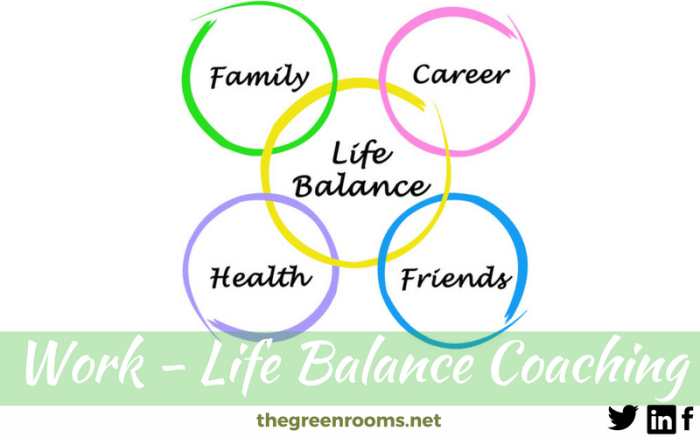
Wellness coaching for work-life balance goes beyond simply managing time; it embraces a holistic approach, recognizing the interconnectedness of physical, mental, and emotional well-being. A successful program integrates various strategies to address these aspects comprehensively, leading to sustainable improvements in overall health and well-being, and ultimately, a better work-life balance.Integrating holistic health principles into work-life balance coaching involves understanding the mind-body connection, recognizing the impact of nutrition on energy levels and mood, and addressing lifestyle factors that contribute to stress.
It’s about empowering individuals to take ownership of their health and make sustainable changes. This integrated approach recognizes that true well-being is not achieved through isolated improvements but through a cohesive and synergistic strategy.
Stress Management Techniques in Wellness Coaching
Effective stress management is a cornerstone of any successful work-life balance program. Techniques incorporated into wellness coaching programs are tailored to the individual’s needs and preferences, ranging from mindfulness practices to physical activity and cognitive behavioral techniques. For instance, deep breathing exercises can provide immediate relief from anxiety, while regular physical activity helps regulate stress hormones. Cognitive behavioral therapy (CBT) techniques can help individuals identify and challenge negative thought patterns that contribute to stress.
The goal is to equip individuals with a toolbox of strategies they can readily employ in their daily lives.
A Sample Wellness Coaching Program
This program integrates mindfulness, physical activity, and healthy eating to promote overall well-being and improve work-life balance. The program is designed to be flexible and adaptable to individual needs and preferences.
This program emphasizes gradual, sustainable changes rather than drastic overhauls. The focus is on building healthy habits that can be maintained long-term, leading to lasting improvements in work-life balance and overall well-being. Small, consistent steps lead to significant progress.
- Mindfulness Practices: Daily 10-minute guided meditation sessions focusing on breathwork and body awareness. Introduction to mindfulness techniques for managing stress and improving focus during the workday. Weekly journaling prompts to reflect on personal experiences and emotional responses.
- Physical Activity: A commitment to at least 30 minutes of moderate-intensity exercise most days of the week. This could include brisk walking, cycling, swimming, or any activity the individual enjoys. Encouragement to find activities that are enjoyable and sustainable, avoiding pressure to engage in strenuous or time-consuming workouts.
- Healthy Eating: Focus on incorporating more fruits, vegetables, and whole grains into the diet. Guidance on mindful eating, paying attention to hunger and fullness cues. Exploring healthy meal preparation techniques to make nutritious choices more convenient. Reduction of processed foods, sugary drinks, and excessive caffeine intake.
Measuring the Effectiveness of Wellness Coaching: Wellness Coaching For Work-life Balance
Evaluating the success of a work-life balance wellness coaching program requires a multifaceted approach that goes beyond simple anecdotal evidence. A robust evaluation strategy ensures that the program is achieving its intended goals and justifies the investment of time and resources. This involves employing various methods to collect and analyze data, ultimately demonstrating a positive impact on employee well-being and organizational productivity.Effective measurement necessitates a clear understanding of the program’s objectives.
Before implementing any evaluation methods, it is crucial to define specific, measurable, achievable, relevant, and time-bound (SMART) goals. This clarity will guide the selection of appropriate metrics and ensure that the evaluation process directly addresses the program’s intended outcomes. Without clearly defined goals, the evaluation process becomes less meaningful and less likely to provide actionable insights.
Methods for Evaluating Program Success
Several methods can be used to assess the effectiveness of a work-life balance wellness coaching program. These methods often complement each other, providing a more comprehensive understanding of the program’s impact. A combination of quantitative and qualitative data is generally preferred for a holistic evaluation.
- Surveys and Questionnaires: Pre- and post-program surveys can measure changes in employee perceptions of work-life balance, stress levels, and overall well-being. These surveys can include both quantitative measures (e.g., rating scales) and qualitative data (e.g., open-ended questions) to capture a nuanced understanding of the employee experience.
- Interviews: Individual interviews with participants can provide rich qualitative data, allowing for a deeper exploration of the coaching experience and its impact on individual lives. This method allows for probing follow-up questions to gain a comprehensive understanding of the changes observed.
- Focus Groups: Focus groups can provide insights into shared experiences and perspectives among participants. This approach allows for group discussion and the emergence of collective themes related to the program’s impact.
- Performance Data: Tracking key performance indicators (KPIs) related to employee productivity, absenteeism, and turnover can demonstrate the program’s impact on organizational outcomes. Improvements in these areas suggest a positive correlation between wellness coaching and improved performance.
Key Performance Indicators (KPIs)
Tracking relevant KPIs is essential for demonstrating the return on investment (ROI) of a wellness coaching program. These KPIs should be aligned with the program’s specific objectives and should be measured both before and after the intervention to identify changes.
- Employee Satisfaction: Measured through surveys and feedback mechanisms, this reflects the overall happiness and engagement of employees.
- Stress Levels: Assessed using validated stress scales or self-reported measures, this indicates the level of pressure employees experience.
- Work-Life Balance Score: This composite score, derived from various measures, reflects the perceived balance between work and personal life.
- Absenteeism Rate: This indicates the frequency of employee absences, potentially reduced through improved well-being.
- Turnover Rate: A lower turnover rate suggests increased employee retention, often linked to improved job satisfaction and work-life balance.
- Productivity Metrics: These can include sales figures, project completion rates, or other relevant measures depending on the nature of the work.
Visual Representation of Wellness Coaching Impact, Wellness coaching for work-life balance
Imagine a bar graph with two bars side-by-side for each KPI. The left bar represents the pre-coaching measurement, and the right bar represents the post-coaching measurement. For example, one bar might represent the average employee stress level on a scale of 1-10 before the program, while the adjacent bar shows the average stress level after the program. Ideally, the right bar (post-coaching) would be significantly shorter for stress levels, absenteeism, and turnover rates, while significantly taller for employee satisfaction, work-life balance scores, and productivity metrics.
The graph would clearly illustrate the positive impact of the wellness coaching intervention on various aspects of employee well-being and organizational performance. The title of the graph could be “Impact of Wellness Coaching on Key Performance Indicators”. Each bar would be clearly labeled with the specific KPI and its corresponding pre- and post-intervention values. The difference in bar height for each KPI would visually demonstrate the magnitude of the improvement.
Ultimately, wellness coaching for work-life balance provides a powerful framework for achieving a more harmonious and fulfilling existence. By fostering self-awareness, promoting healthy habits, and equipping individuals with practical coping mechanisms, it empowers professionals to thrive both personally and professionally. The journey towards optimal work-life balance is a personal one, but with the right guidance and support, it is a journey that can lead to lasting positive change and a significantly improved quality of life.
FAQ Section
What is the typical duration of a wellness coaching program?
Program durations vary depending on individual needs and goals, ranging from a few months to a year or more.
How much does wellness coaching cost?
The cost of wellness coaching can vary depending on the coach’s experience, location, and the program’s length. It’s advisable to inquire directly with potential coaches for pricing information.
Is wellness coaching covered by insurance?
Insurance coverage for wellness coaching varies widely. Check with your insurance provider to determine if your plan covers these services.
Can wellness coaching help with specific issues like anxiety or depression?
While wellness coaching focuses on work-life balance, it can indirectly help manage some symptoms of anxiety or depression by improving coping mechanisms and stress management skills. However, for severe mental health concerns, professional therapy is recommended.


