Virtual Wellness Coaching Sessions

Virtual wellness coaching sessions are transforming how individuals access personalized support for their health and well-being. This innovative approach leverages technology to connect clients with coaches, offering flexibility, convenience, and a wide range of services. From stress management to weight loss, virtual coaching provides tailored strategies and ongoing support, empowering individuals to achieve their health goals in a comfortable and accessible environment.
The integration of technology enhances the coaching experience, offering tools for tracking progress, maintaining motivation, and fostering a strong coach-client relationship.
The benefits extend beyond simple convenience. Virtual coaching often removes geographical barriers, making these services available to a wider population. The ability to access sessions from anywhere, anytime, contributes to increased engagement and consistency in wellness practices. Furthermore, the use of technology allows for personalized data collection and analysis, enabling coaches to provide more targeted interventions and track client progress effectively.
Holistic Health in Virtual Wellness Coaching: Virtual Wellness Coaching Sessions
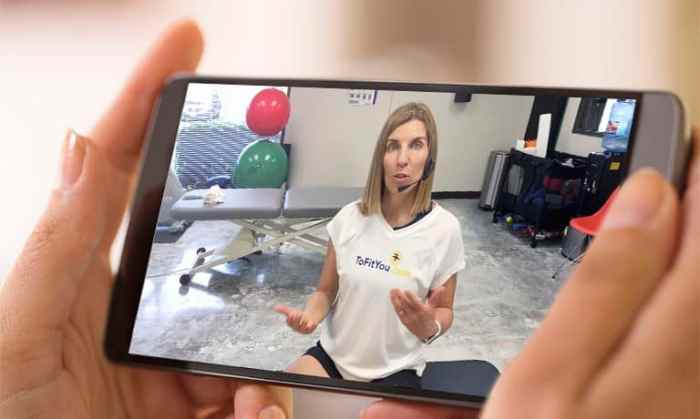
Virtual wellness coaching offers a unique opportunity to integrate holistic health principles into a personalized wellness plan. Unlike traditional approaches that may focus solely on physical health, virtual coaching allows for a comprehensive approach encompassing physical, mental, emotional, and spiritual well-being, all within the convenience of a digital platform. This integrated approach acknowledges the interconnectedness of these aspects, recognizing that true wellness stems from a balanced and harmonious state across all dimensions.
Holistic health principles are integrated into virtual wellness coaching sessions through various methods. Coaches utilize technology to provide tailored support, encompassing interactive exercises, educational resources, and progress tracking tools. These tools facilitate self-reflection, goal setting, and personalized feedback, fostering a collaborative and empowering client experience. The virtual environment also allows for increased accessibility and flexibility, removing geographical barriers and accommodating diverse schedules.
Addressing Aspects of Holistic Health in Virtual Wellness Coaching
Virtual wellness coaching effectively addresses the various facets of holistic health. For physical well-being, coaches may guide clients through personalized fitness plans, incorporating at-home exercises and nutritional guidance delivered via video consultations and shared documents. Mental health is addressed through cognitive behavioral therapy (CBT) techniques delivered remotely, stress management strategies, and mindfulness exercises accessible through guided meditation apps.
Emotional well-being is supported through journaling prompts, emotional regulation techniques, and discussions around self-compassion and emotional intelligence. Finally, spiritual well-being is nurtured through exploration of personal values, meaning, and purpose, facilitated by guided reflection exercises and discussions on mindfulness practices. For example, a coach might use a virtual whiteboard to collaboratively brainstorm a client’s values and goals, connecting their physical activity to a sense of purpose and accomplishment.
Example Virtual Wellness Program Incorporating Holistic Health Principles
A sample 8-week virtual wellness program might begin with an initial assessment to determine the client’s current health status across all four dimensions (physical, mental, emotional, spiritual). Weekly sessions would then incorporate:
- Week 1-2: Establishing baseline fitness levels and nutrition habits. Introduction to mindfulness techniques through guided meditation apps.
- Week 3-4: Implementing a personalized exercise plan and dietary adjustments. Exploring stress management strategies using CBT techniques.
- Week 5-6: Focusing on emotional regulation techniques and journaling prompts. Introduction to activities that promote spiritual growth such as reflective writing or nature walks.
- Week 7-8: Reviewing progress and setting long-term goals. Reinforcing sustainable lifestyle changes and strategies for maintaining holistic well-being.
This program utilizes a combination of virtual tools, such as fitness trackers, nutrition apps, and meditation apps, alongside regular video consultations to ensure personalized support and guidance.
Comparison of Traditional and Virtual Wellness Approaches
Traditional wellness approaches often rely on in-person consultations and may lack the flexibility and accessibility of virtual coaching. While traditional methods offer the benefit of face-to-face interaction, virtual coaching leverages technology to provide a broader reach, personalized support, and convenient scheduling options. For example, a client living in a rural area with limited access to healthcare professionals could easily access virtual wellness coaching, receiving personalized support that might otherwise be unavailable.
Both approaches aim to improve overall well-being; however, virtual coaching offers unique advantages in terms of convenience, accessibility, and the ability to integrate various technological tools for a more comprehensive and personalized experience.
Marketing and Promotion of Virtual Wellness Coaching
Successfully marketing virtual wellness coaching requires a multi-faceted approach that leverages both online and offline strategies. This involves crafting compelling marketing materials, strategically targeting potential clients, and implementing a well-defined pricing model. Understanding the nuances of online marketing and the competitive landscape is crucial for building a thriving practice.
Website Copy and Social Media Content
Effective marketing begins with a strong online presence. Your website should clearly articulate the value proposition of your virtual wellness coaching services. This includes a concise description of your services, your qualifications and experience, client testimonials, and a clear call to action (e.g., scheduling a consultation). Social media posts should be engaging, informative, and consistent with your brand identity.
Consider using high-quality images or videos showcasing your personality and expertise. Examples of effective social media posts include short videos offering wellness tips, sharing client success stories (with their permission), or running interactive polls or Q&As. For website copy, consider using s relevant to wellness coaching and your specific niche to improve search engine optimization ().
Online Client Acquisition Strategy
Reaching potential clients online requires a strategic approach. This could involve utilizing social media marketing (organic and paid), search engine optimization (), content marketing (blog posts, articles, and informative videos), and email marketing. Paid advertising on platforms like Facebook, Instagram, or Google Ads can be highly effective in targeting specific demographics interested in wellness coaching. involves optimizing your website and content to rank higher in search engine results pages (SERPs) for relevant s.
Content marketing establishes you as an expert in your field, attracting potential clients organically. Email marketing allows for direct communication with potential and existing clients, nurturing relationships and promoting services.
Pricing Strategies for Virtual Wellness Coaching Sessions
Pricing your services requires careful consideration of several factors, including your experience, qualifications, the type of services offered, and your target market. Common pricing models include hourly rates, package deals (e.g., 3-month or 6-month packages), and tiered pricing based on the level of service provided. Research competitor pricing to ensure your rates are competitive yet reflect the value you provide.
Offering introductory rates or discounts can attract new clients and encourage trial sessions. Transparency in pricing is crucial; clearly outlining your fees and payment options on your website and marketing materials builds trust and avoids confusion. For example, you might offer a discounted rate for a first consultation, then a higher rate for ongoing sessions.
Examples of Successful Marketing Campaigns
Several wellness coaches have successfully employed various marketing strategies. For instance, a coach specializing in stress management might utilize Instagram to share short meditation videos and mindfulness tips, engaging their audience through interactive stories and polls. Another coach focusing on weight loss might partner with fitness influencers on social media, cross-promoting each other’s services. A coach specializing in career wellness could write blog posts and articles on relevant topics, establishing their expertise and driving traffic to their website.
These examples highlight the importance of tailoring your marketing approach to your specific niche and target audience, leveraging the platforms and strategies most likely to reach them effectively.
Integrating Related Concepts
Virtual wellness coaching effectively integrates various aspects of holistic health, creating a comprehensive approach to well-being. By combining elements of healthy living, preventative healthcare, stress management, and mind-body connection, it provides a personalized and effective pathway to improved health and overall quality of life. This integrated approach acknowledges the interconnectedness of physical, mental, and emotional health.
Healthy Living Tips and Nutrition Guidance
Virtual wellness coaches often incorporate practical healthy living tips and personalized nutrition guidance into their sessions. This might include creating tailored meal plans based on individual dietary needs and preferences, suggesting simple exercise routines that can be easily integrated into daily life, and providing resources for accessing high-quality, nutrient-rich foods. For example, a coach might guide a client to track their food intake using a mobile app, then analyze the data together to identify areas for improvement, perhaps recommending substitutions for processed foods or increasing fruit and vegetable consumption.
They might also introduce the client to the concept of mindful eating, encouraging them to pay attention to their hunger and fullness cues.
Preventative Healthcare in Virtual Wellness Coaching
Preventative healthcare plays a crucial role in virtual wellness coaching. Coaches work with clients to establish healthy habits that reduce the risk of chronic diseases. This might involve encouraging regular check-ups with primary care physicians, promoting vaccinations, and educating clients on the importance of early detection and screening for various health conditions. For instance, a coach might help a client develop a plan for regular blood pressure monitoring and discuss strategies for managing blood pressure naturally through diet and exercise.
They might also encourage the client to schedule regular dental checkups and discuss the importance of oral hygiene.
Stress Management Techniques in Virtual Sessions
Stress management is a key component of many virtual wellness coaching programs. Coaches employ a variety of techniques to help clients manage stress effectively. These techniques may include mindfulness exercises, deep breathing techniques, progressive muscle relaxation, and cognitive behavioral therapy (CBT) principles. For example, a coach might guide a client through a guided meditation session during a virtual meeting, or teach them a simple breathing exercise to practice throughout the day when feeling overwhelmed.
They might also help the client identify and challenge negative thought patterns contributing to their stress levels, a core principle of CBT.
Mind-Body Connection Exercises in Virtual Coaching
Mind-body connection exercises, such as yoga, tai chi, and Pilates, are easily adapted for virtual coaching. Coaches can guide clients through these exercises remotely, using video demonstrations and verbal cues. These practices not only improve physical flexibility and strength but also promote mental clarity and emotional regulation. For instance, a coach could lead a client through a series of gentle yoga stretches during a session, focusing on mindful movement and breathwork.
The coach might also provide resources for clients to continue practicing independently using online videos or apps.
| Concept | Integration Method | Example | Benefits |
|---|---|---|---|
| Healthy Living Tips & Nutrition | Personalized meal plans, exercise suggestions, resource provision | Creating a weekly meal plan focusing on whole foods, incorporating a 30-minute walk daily, recommending a nutrition app. | Improved diet, increased physical activity, better health outcomes. |
| Preventative Healthcare | Encouraging regular check-ups, promoting vaccinations, early detection strategies | Setting reminders for annual physicals, discussing the importance of flu shots, encouraging regular blood pressure monitoring. | Reduced risk of chronic diseases, early identification and treatment of health issues. |
| Stress Management | Mindfulness exercises, deep breathing, CBT principles | Guided meditation sessions, teaching relaxation techniques, helping clients identify and challenge negative thoughts. | Reduced stress levels, improved emotional regulation, better coping mechanisms. |
| Mind-Body Connection | Guided yoga, tai chi, Pilates sessions; providing online resources | Leading a client through a virtual yoga session, providing links to online yoga videos for independent practice. | Improved physical fitness, mental clarity, emotional balance. |
Future Trends in Virtual Wellness Coaching
The field of virtual wellness coaching is poised for explosive growth, driven by technological advancements and a growing global demand for accessible and convenient healthcare. This expansion will be characterized by increased personalization, sophisticated data analysis, and a broader reach into underserved communities. We can anticipate significant shifts in how wellness coaching is delivered and experienced in the coming years.
Technological Advancements in Virtual Wellness Coaching
Several technological advancements will reshape the virtual wellness coaching landscape. Wearable technology, already prevalent, will become even more integrated, providing real-time physiological data directly to coaches and clients. This continuous monitoring will allow for more precise interventions and personalized feedback. Furthermore, advancements in virtual reality (VR) and augmented reality (AR) will create immersive and engaging coaching experiences, enhancing client motivation and engagement through interactive simulations and gamified approaches.
For example, a VR program could simulate a calming forest walk for stress reduction, while an AR app could overlay workout instructions onto a client’s real-world environment. Improved video conferencing tools with enhanced features like AI-powered real-time translation will facilitate global collaboration and accessibility.
The Impact of AI and Machine Learning on Virtual Wellness Coaching
AI and machine learning will play a pivotal role in enhancing the efficiency and effectiveness of virtual wellness coaching. AI-powered chatbots can provide 24/7 support, answering client questions, providing reminders, and offering basic guidance. Machine learning algorithms can analyze client data (from wearables, questionnaires, and coaching sessions) to identify patterns, predict potential health risks, and personalize coaching interventions. This data-driven approach will enable coaches to proactively address client needs and optimize coaching strategies.
For instance, an algorithm could detect a decline in a client’s sleep quality and automatically suggest adjustments to their sleep hygiene routine or schedule a check-in with their coach.
Improving Global Health Access through Virtual Wellness Coaching
Virtual wellness coaching has the potential to dramatically improve global health access, particularly in underserved areas with limited access to traditional healthcare. The virtual platform eliminates geographical barriers, making coaching services available to individuals regardless of their location. This is especially crucial for individuals in rural areas, developing countries, or those with mobility limitations. Furthermore, virtual coaching can be more cost-effective than in-person sessions, making it a more accessible option for individuals with limited financial resources.
The use of AI-powered translation tools further expands accessibility by breaking down language barriers. A successful example of this can be seen in telehealth initiatives across Africa, utilizing mobile technology to provide remote health consultations and coaching.
A Visual Representation of the Future of Virtual Wellness Coaching, Virtual wellness coaching sessions
Imagine a sleek, intuitive mobile application. The user interface is personalized, reflecting the individual’s goals and progress. A holographic avatar of the wellness coach appears, offering encouragement and personalized feedback based on data seamlessly integrated from the user’s wearable devices and health records. The app utilizes gamification elements, rewarding progress with virtual badges and challenges, keeping clients engaged and motivated.
Simultaneously, AI algorithms analyze the data in real-time, flagging potential health concerns and suggesting proactive interventions. The user can access a library of guided meditations, personalized workout plans, and nutritional guidance, all tailored to their specific needs and preferences. This integrated system offers continuous support, personalized guidance, and proactive health management, accessible anytime, anywhere.
In conclusion, virtual wellness coaching sessions represent a significant advancement in the field of health and wellness. By combining the personalized approach of traditional coaching with the convenience and accessibility of technology, this innovative model empowers individuals to take control of their well-being. The ongoing development of technology promises to further enhance the effectiveness and reach of virtual coaching, making it an increasingly valuable resource for individuals seeking to improve their physical, mental, and emotional health.
The future of wellness is undeniably virtual, offering personalized support and guidance to a global audience.
Essential FAQs
What are the qualifications of a virtual wellness coach?
Qualifications vary, but many coaches hold certifications in relevant fields like health coaching, nutrition, or psychology. It’s advisable to check their credentials and experience.
How much does a virtual wellness coaching session cost?
Pricing varies widely depending on the coach’s experience, the type of coaching, and the session length. Expect to find a range of options.
Is virtual wellness coaching right for me?
It can be a great fit for those seeking flexibility, convenience, and personalized support. Consider your comfort level with technology and your personal preferences.
What if I need to reschedule a session?
Most coaches have cancellation policies; check their terms and conditions for details on rescheduling or cancellation fees.


