Smartwatches for Health Tracking
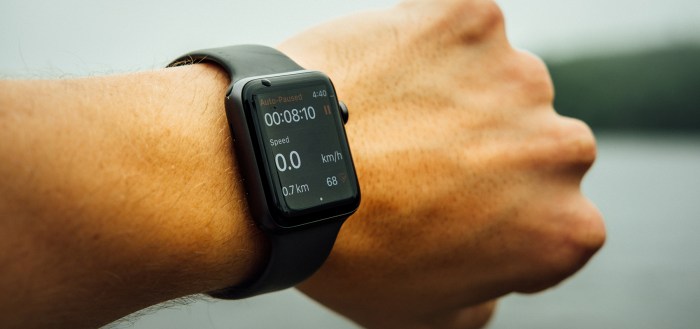
Smartwatches for Health Tracking have revolutionized personal wellness. These devices, once mere time-telling accessories, now offer a comprehensive suite of health monitoring features, providing valuable insights into our physical and mental well-being. From tracking heart rate and sleep patterns to monitoring stress levels and even detecting potential health issues, smartwatches are empowering individuals to take a proactive role in their health journey.
This exploration delves into the capabilities, limitations, and potential of these increasingly sophisticated devices.
The integration of various sensors allows for the continuous collection of physiological data, enabling users to identify trends and patterns in their health. This data, when analyzed effectively, can be invaluable for both preventive healthcare and informed decision-making regarding lifestyle changes. However, it’s crucial to understand the limitations of smartwatch technology and interpret data responsibly, supplementing it with professional medical advice when necessary.
The following sections will examine the features, accuracy, limitations, and overall impact of smartwatches on personal health management.
Smartwatches and Holistic Health: Smartwatches For Health Tracking
Smartwatches, initially conceived as simple time-telling devices, have evolved into sophisticated health companions, capable of tracking a wide array of physiological data. This data collection extends beyond basic fitness metrics, offering a powerful tool for supporting holistic health practices that encompass physical, mental, and emotional well-being. By integrating various aspects of self-care, smartwatches empower users to make informed lifestyle choices leading to a more balanced and fulfilling life.Smartwatch data provides a quantifiable perspective on individual health patterns, facilitating a deeper understanding of the interconnectedness between different lifestyle factors and overall well-being.
This objective data can be instrumental in identifying areas needing improvement and tracking progress toward holistic health goals. The continuous monitoring capability of these devices allows for subtle shifts in health parameters to be observed, enabling proactive interventions rather than reactive responses to significant health issues.
Mindfulness and Stress Management Applications
Smartwatches can contribute significantly to mindfulness and stress reduction practices. Many devices offer guided meditation sessions directly on the watch face, providing convenient access to calming exercises throughout the day. Furthermore, heart rate variability (HRV) data, a key indicator of stress levels, can be tracked continuously, providing insights into periods of high stress. This data can encourage users to implement stress-reducing techniques, such as deep breathing exercises or short breaks, at opportune moments.
By visualizing the correlation between activities and stress levels, individuals can learn to manage their daily routines more effectively.
Nutrition Tracking and Guidance
Several smartwatches integrate with nutrition tracking apps, allowing users to log their food intake and monitor their caloric intake, macronutrient ratios, and micronutrient levels. This feature helps individuals make informed choices about their diet, supporting healthy eating habits. Some advanced smartwatches even provide personalized dietary recommendations based on the user’s individual goals and tracked data. This data-driven approach to nutrition allows for a more customized and effective strategy for achieving weight management or other nutritional goals.
For example, a user might discover through their smartwatch data that they consistently consume less protein than recommended, prompting them to adjust their meal planning accordingly.
Progress Tracking Towards Holistic Health Goals, Smartwatches for Health Tracking
The continuous monitoring capabilities of smartwatches enable users to track progress towards a wide range of holistic health goals. This tracking facilitates a sense of accomplishment and motivation to maintain healthy habits.
- Sleep Quality Improvement: Smartwatches track sleep stages (light, deep, REM) and sleep duration, providing valuable insights into sleep patterns. This data can guide users to improve sleep hygiene, leading to better overall health and well-being. For example, consistent identification of insufficient deep sleep might encourage a user to adjust their bedtime routine or sleep environment.
- Hydration Monitoring: Many smartwatches can remind users to drink water throughout the day, contributing to better hydration and overall health. This simple feature can significantly impact hydration levels, especially for individuals prone to dehydration.
- Activity Level Optimization: Smartwatches track daily steps, distance covered, and calories burned, motivating users to increase their physical activity levels. The ability to set personalized activity goals and track progress encourages consistent engagement in physical activity.
Holistic Health
Holistic health emphasizes the interconnectedness of mind, body, and spirit in achieving overall well-being. It moves beyond simply treating symptoms to addressing the root causes of illness and promoting a balanced, healthy lifestyle. By integrating various practices, individuals can cultivate resilience, enhance their quality of life, and proactively manage their health.
The Importance of Holistic Health Practices in Daily Life
Incorporating holistic health practices into daily life is crucial for long-term well-being. A holistic approach acknowledges that physical health is deeply intertwined with mental and emotional states. Neglecting any one aspect can negatively impact the others, creating a domino effect that can lead to decreased energy levels, increased stress, and a higher susceptibility to illness. A holistic approach, conversely, fosters a synergistic effect, where improvements in one area positively influence others, creating a virtuous cycle of health and vitality.
For example, regular exercise not only improves physical fitness but also reduces stress and improves mood. Similarly, mindful eating can lead to better digestion, improved weight management, and increased self-awareness.
Nutrition Guidelines for a Holistic Lifestyle
Maintaining a balanced diet rich in fruits, vegetables, whole grains, and lean proteins is fundamental to holistic health. Processed foods, sugary drinks, and excessive saturated and trans fats should be minimized. Prioritizing nutrient-dense foods provides the body with the essential vitamins, minerals, and antioxidants needed for optimal functioning. For instance, leafy greens are excellent sources of vitamins A and K, while berries are packed with antioxidants.
Lean proteins, such as fish and chicken, provide essential amino acids for building and repairing tissues. Hydration is also crucial; aiming for at least eight glasses of water daily supports various bodily functions.
Stress Management Techniques for Holistic Well-being
Chronic stress significantly impacts physical and mental health. Effective stress management techniques are vital components of a holistic approach. Regular exercise, deep breathing exercises, yoga, and meditation are proven methods for reducing stress hormones and promoting relaxation. Spending time in nature, engaging in hobbies, and prioritizing sufficient sleep are also crucial for stress reduction. For example, a 10-minute guided meditation session can significantly lower cortisol levels, the primary stress hormone.
Similarly, regular physical activity releases endorphins, natural mood boosters that combat stress.
Mindfulness Practices for Enhanced Well-being
Mindfulness involves paying attention to the present moment without judgment. Practicing mindfulness through meditation, yoga, or simply focusing on your breath can improve self-awareness, reduce stress, and enhance emotional regulation. Mindful eating, where you pay close attention to the taste, texture, and smell of your food, can improve digestion and reduce overeating. Mindful movement, such as yoga or tai chi, promotes body awareness and reduces tension.
Regular mindfulness practices can cultivate a greater sense of calm, clarity, and emotional resilience.
Resources for Holistic Health
Finding reliable resources is crucial for successfully implementing holistic health practices.
- Nutrition and Diet Guides: Reputable organizations like the Academy of Nutrition and Dietetics offer evidence-based dietary guidelines and resources. Many registered dietitians also provide personalized nutrition plans.
- Preventive Healthcare Information: The Centers for Disease Control and Prevention (CDC) and the World Health Organization (WHO) provide extensive information on preventive healthcare measures and disease prevention strategies.
- Wellness Coaching Services: Certified wellness coaches can offer personalized guidance and support in developing and maintaining healthy habits. Many offer online coaching sessions, making it convenient to access support.
Health Technology and Apps
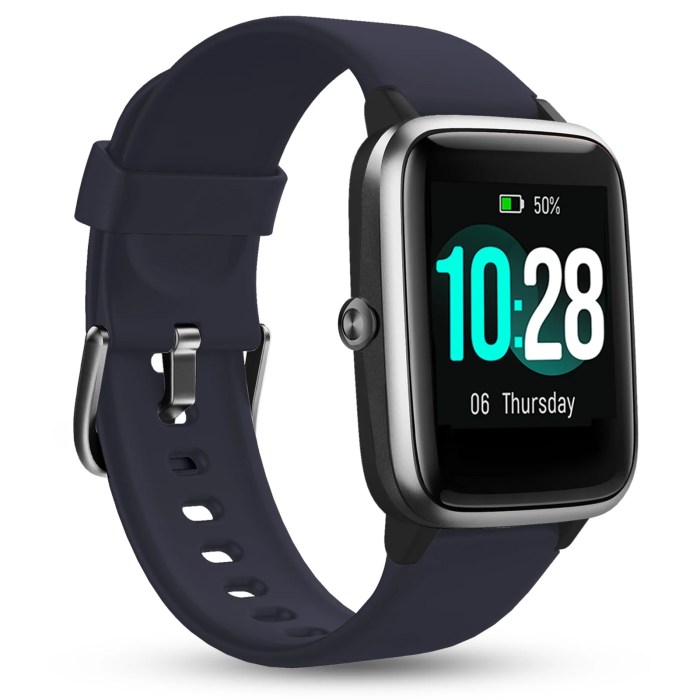
The rise of smartphones and wearable technology has spurred a parallel boom in health technology apps, offering users unprecedented access to tools for self-monitoring, tracking, and improving various aspects of their well-being. These apps extend far beyond the capabilities of smartwatches, providing a broader range of functionalities and integrating with various aspects of daily life. Understanding the capabilities and limitations of these diverse tools is crucial for making informed choices about personal health management.The functionalities of health technology apps vary greatly depending on their intended purpose.
Some focus on specific health metrics like weight, sleep, or activity levels, while others offer more holistic approaches, integrating multiple aspects of wellness. The effectiveness of these apps also depends on user engagement and adherence to the recommended practices. Data privacy and security are also important considerations when choosing and utilizing such apps.
Comparison of Health Technology App Functionalities
Different health technology apps cater to diverse needs and preferences. For example, fitness tracking apps like Strava or Peloton provide detailed workout data, enabling users to monitor progress and set personalized fitness goals. Meanwhile, apps like MyFitnessPal or Lose It! focus on nutrition tracking, helping users manage their calorie intake and macronutrient balance. Mental health apps, such as Calm or Headspace, offer guided meditations and mindfulness exercises, while period tracking apps, like Flo or Clue, provide insights into menstrual cycles and reproductive health.
The key differences lie in their specific focus and the types of data they collect and analyze. Some apps integrate multiple functionalities, offering a more comprehensive approach to health management.
The Influence of Health News and Trends on Individual Health Choices
Health news and trends, disseminated through various media channels, significantly impact individual health choices. For instance, widely publicized studies on the benefits of a Mediterranean diet or the risks of sedentary lifestyles often lead to increased consumer interest in related products and services. Conversely, misleading or sensationalized health information can lead to misguided choices and potentially harmful practices.
Therefore, it’s crucial to critically evaluate information sources and consult with healthcare professionals before making significant changes to one’s lifestyle or health regimen. The influence of social media and online health communities also plays a considerable role, both positively and negatively, shaping perceptions and choices. The spread of misinformation is a significant concern that necessitates a discerning approach to online health information.
Examples of Holistic Health Supporting Apps
Several health technology apps directly support aspects of holistic health. Meditation apps like Calm and Headspace provide guided meditations and mindfulness exercises, promoting mental well-being and stress reduction. Nutrition tracking apps, such as MyFitnessPal and Cronometer, not only track calorie intake but also provide insights into macronutrient ratios, vitamin and mineral levels, and potential dietary deficiencies, supporting a balanced and healthy diet.
Sleep tracking apps, such as Sleep Cycle or AutoSleep, monitor sleep patterns and offer personalized recommendations to improve sleep quality, a crucial component of holistic health. These apps, when used effectively, can contribute to a more comprehensive and integrated approach to health management.
In conclusion, smartwatches offer a powerful, albeit imperfect, tool for health tracking and preventive care. While limitations in accuracy and the need for responsible data interpretation remain, the potential benefits are undeniable. As technology continues to advance, smartwatches are poised to play an even greater role in promoting holistic wellness and facilitating early detection of health concerns. By understanding both the capabilities and limitations of these devices, individuals can leverage them effectively to improve their overall health and well-being.
Q&A
What is the battery life of most smartwatches used for health tracking?
Battery life varies greatly depending on the model and usage, but typically ranges from one to several days on a single charge. More feature-rich smartwatches may require more frequent charging.
Are smartwatch health data admissible in a clinical setting?
Generally, data from smartwatches is not considered definitive for clinical diagnosis. It should be used as supplementary information and not replace consultations with healthcare professionals.
How accurate are sleep tracking features on smartwatches?
Accuracy varies significantly across devices and individuals. While they can provide a general overview of sleep patterns, they may not always accurately capture all sleep stages.
Can I swim while wearing a smartwatch?
Some smartwatches are water-resistant, even waterproof, but this varies by model. Always check the manufacturer’s specifications before submerging your device.

