Healthy Living Tips 2024 Your Guide to Wellness
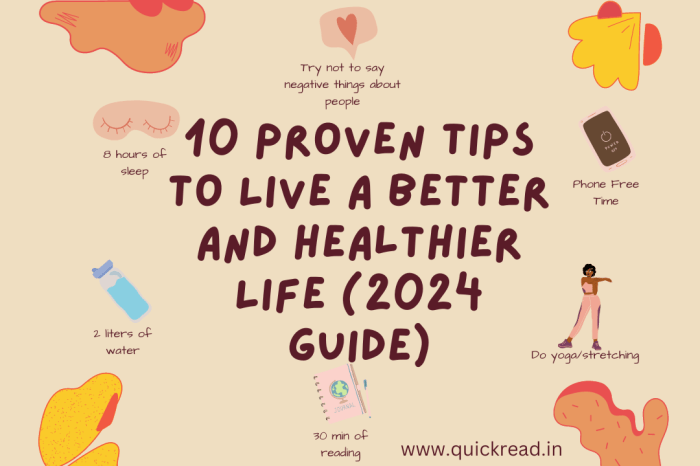
Healthy Living Tips 2024: Embark on a journey towards a healthier, happier you with our comprehensive guide. This year, we explore the latest nutritional trends, effective stress-reduction techniques, and the crucial role of physical activity in overall well-being. We’ll delve into the importance of sleep hygiene, the impact of technology on health, and essential preventive healthcare measures. Discover how to navigate the ever-evolving landscape of health information and incorporate holistic approaches into your daily life for lasting well-being.
From mindful practices to innovative fitness routines and cutting-edge health technology, we’ll provide actionable strategies and resources to help you achieve your health goals. This guide is designed to be both informative and practical, offering a balanced approach to wellness that integrates various aspects of a healthy lifestyle.
The Role of Physical Activity in Holistic Health
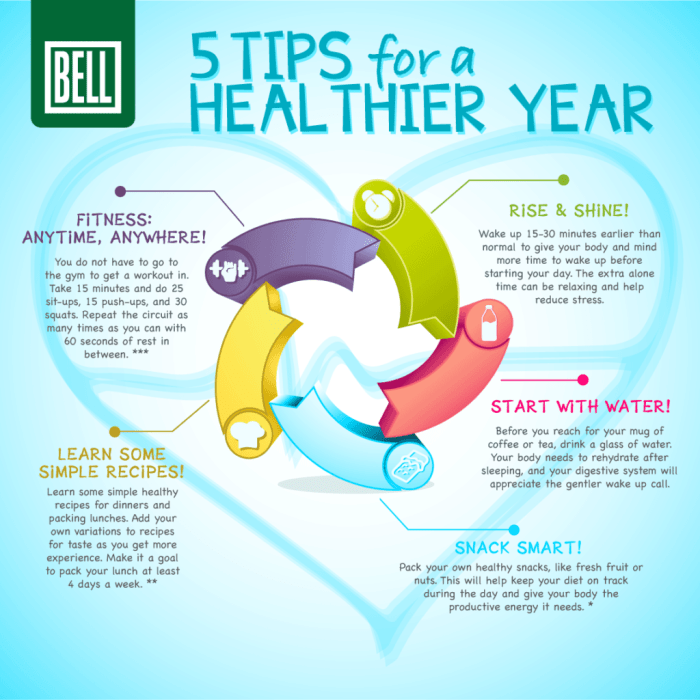
Physical activity is a cornerstone of holistic health, impacting not only physical fitness but also mental well-being, cognitive function, and even emotional resilience. Engaging in a variety of activities, rather than focusing solely on one type of exercise, provides a more comprehensive approach to improving overall health and reducing the risk of chronic diseases. A balanced routine addresses multiple aspects of fitness, leading to sustainable improvements in quality of life.
Varied Physical Activity for Comprehensive Well-being
Beyond the cardiovascular benefits often associated with exercise, a diverse fitness routine offers numerous advantages. Strength training builds muscle mass, increasing metabolism and bone density, thus reducing the risk of osteoporosis and injuries. Flexibility exercises, such as yoga and Pilates, improve joint mobility, reduce muscle stiffness, and promote relaxation. Activities like tai chi and qigong combine movement with mindfulness, enhancing balance and reducing stress.
This multifaceted approach ensures that all aspects of physical and mental health are addressed, promoting a holistic approach to well-being.
Comparison of Different Exercise Types and Their Health Impacts
Different types of exercise offer distinct benefits. Cardiovascular exercise, such as running, swimming, or cycling, strengthens the heart and lungs, improving cardiovascular health and reducing the risk of heart disease. Strength training, using weights or resistance bands, builds muscle mass, increasing metabolism and bone density. High-Intensity Interval Training (HIIT) involves short bursts of intense exercise followed by brief recovery periods, offering a time-efficient way to improve cardiovascular fitness and burn calories.
Yoga and Pilates improve flexibility, balance, and core strength, while also reducing stress and promoting relaxation. Each type contributes uniquely to overall health; a balanced program incorporating these diverse approaches yields optimal results.
Sample Beginner Workout Plan
This sample workout plan incorporates a variety of activities suitable for beginners. Remember to consult your doctor before starting any new exercise program. It’s crucial to listen to your body and adjust the intensity and duration as needed. Progress gradually to avoid injury and maintain motivation.
| Day | Activity | Duration | Intensity Level |
|---|---|---|---|
| Monday | Brisk Walking | 30 minutes | Moderate |
| Tuesday | Bodyweight Strength Training (Squats, Push-ups, Lunges) | 20 minutes | Moderate |
| Wednesday | Rest or Light Stretching | 15 minutes | Low |
| Thursday | Yoga (Beginner Class) | 45 minutes | Low to Moderate |
| Friday | Cycling | 30 minutes | Moderate |
| Saturday | HIIT Workout (e.g., Burpees, Jumping Jacks, Mountain Climbers) | 20 minutes | High |
| Sunday | Rest or Active Recovery (e.g., gentle walk) | 30 minutes | Low |
Sleep Hygiene and its Impact on Health: Healthy Living Tips 2024
Sufficient, high-quality sleep is foundational to overall well-being, significantly impacting both physical and mental health. A consistent sleep schedule and conducive sleep environment contribute to improved energy levels, mood regulation, and cognitive function, while inadequate sleep increases the risk of various health problems.Sleep deprivation affects nearly every bodily system. Physically, it weakens the immune system, increasing susceptibility to illness.
It also disrupts hormone regulation, potentially leading to weight gain, increased appetite, and metabolic imbalances. Cognitively, sleep loss impairs concentration, memory, and decision-making abilities, impacting daily productivity and overall quality of life. Furthermore, chronic sleep deficiency is linked to an increased risk of developing serious health conditions such as cardiovascular disease, diabetes, and certain types of cancer.
Common Sleep Disruptors and Solutions, Healthy living tips 2024
Addressing common sleep disruptors is crucial for establishing healthy sleep habits. Many factors can interfere with sleep, ranging from lifestyle choices to underlying medical conditions. Identifying and mitigating these factors can dramatically improve sleep quality.
- Irregular Sleep Schedule: Inconsistent bedtimes and wake-up times disrupt the body’s natural sleep-wake cycle (circadian rhythm). Solution: Maintain a regular sleep schedule, even on weekends, to promote consistent sleep patterns.
- Stress and Anxiety: Worrying or racing thoughts can make it difficult to fall asleep and stay asleep. Solution: Practice relaxation techniques before bed, such as meditation, deep breathing exercises, or progressive muscle relaxation. Consider journaling to process worries before sleep.
- Caffeine and Alcohol Consumption: Caffeine is a stimulant that can interfere with sleep, while alcohol, despite initially inducing drowsiness, can disrupt sleep later in the night. Solution: Avoid caffeine and alcohol close to bedtime. Aim for at least four to six hours between consumption and sleep.
- Uncomfortable Sleep Environment: A noisy, too hot, or too cold room can negatively impact sleep. Solution: Create a dark, quiet, and cool sleeping environment. Consider using earplugs, an eye mask, or a white noise machine to minimize disturbances.
- Medical Conditions: Underlying medical conditions, such as sleep apnea, insomnia, or restless legs syndrome, can significantly affect sleep quality. Solution: Consult a healthcare professional for diagnosis and treatment.
Ideal Sleep Environment and Healthy Sleep Habits
Creating an optimal sleep environment and practicing healthy sleep habits are essential components of good sleep hygiene. An infographic illustrating these elements would be beneficial. The infographic would feature a central image of a person sleeping soundly in a well-lit bedroom.
| Element | Description | Image Description |
|---|---|---|
| Darkness | A dark room promotes melatonin production, a hormone that regulates sleep. | The infographic would show a darkened room with blackout curtains drawn, suggesting the absence of external light sources. |
| Quiet | Minimize noise distractions to promote restful sleep. | The infographic would depict a quiet room, perhaps with a visual representation of sound waves being minimized or blocked. |
| Cool Temperature | A slightly cool room (around 65 degrees Fahrenheit or 18 degrees Celsius) is ideal for sleep. | The infographic might show a thermostat set to a cool temperature, or perhaps a visual representation of a cool breeze in the room. |
| Comfortable Bedding | Choose comfortable bedding materials that promote relaxation. | The infographic would display a comfortable bed with soft pillows and blankets. |
| Regular Sleep Schedule | Maintain a consistent sleep-wake cycle to regulate your circadian rhythm. | The infographic would show a clock with consistent sleep and wake times. |
| Relaxation Techniques | Practice relaxation techniques before bed, such as meditation or deep breathing. | The infographic could include a small image of someone meditating or performing deep breathing exercises. |
| Digital Detox | Avoid screens for at least an hour before bed. | The infographic could display a phone or tablet being turned off or put away. |
Technology and its Influence on Healthy Living
The digital age has profoundly impacted how we approach health and wellness. Technology, in the form of wearable devices, health apps, and telemedicine platforms, offers unprecedented opportunities to track, monitor, and improve various aspects of our well-being. This section explores the benefits and drawbacks of leveraging technology for a healthier lifestyle in 2024.
Health technology and apps are increasingly sophisticated, providing personalized insights and support for achieving health goals. These tools can help individuals monitor vital signs, track physical activity, manage diet, and even receive remote medical consultations. This personalized approach empowers individuals to take a proactive role in their health management, leading to improved outcomes and a greater sense of control over their well-being.
Health Technology’s Support for Healthy Living Goals
Wearable fitness trackers, for instance, provide detailed information on daily steps, sleep patterns, heart rate, and calories burned. This data can be motivating, allowing users to set realistic goals and monitor their progress. Smart scales can track body composition, offering a more comprehensive picture of health than simple weight measurements. Furthermore, many apps integrate with these devices, providing a holistic view of an individual’s health and offering personalized recommendations based on their data.
For example, a user might receive a notification to drink more water based on their activity level and sweat rate, or a suggestion to prioritize sleep based on detected sleep deprivation.
Potential Drawbacks and Ethical Considerations of Health Technology
While the benefits are substantial, it’s crucial to acknowledge the potential downsides. Over-reliance on technology can lead to an unhealthy obsession with data and unrealistic expectations. The accuracy of some devices and apps can vary, leading to inaccurate or misleading information. Privacy concerns are also paramount; the collection and use of personal health data raise ethical questions about data security and potential misuse.
Furthermore, the digital divide ensures that not everyone has equal access to these technologies, potentially exacerbating existing health inequalities. The gamification of health, while motivating for some, can also lead to unhealthy competition and pressure.
Top Five Health and Wellness Apps
The proliferation of health and wellness apps makes choosing the right one challenging. The following list compares five popular apps based on their features and functionalities, highlighting their strengths and weaknesses. This is not an exhaustive list, and the best app for an individual will depend on their specific needs and preferences.
Choosing the right app depends on individual needs and preferences. Factors to consider include ease of use, data accuracy, privacy policies, and integration with other devices.
- MyFitnessPal: Focuses on calorie tracking and macro management. Features include a large food database, barcode scanning, and integration with other fitness trackers. Drawback: Relies heavily on user input, which can be prone to inaccuracies.
- Headspace: A meditation and mindfulness app offering guided meditations, sleep sounds, and mindfulness exercises. Strengths: User-friendly interface and a wide range of content for different needs. Drawback: Requires a subscription for full access.
- Peloton: Offers interactive fitness classes across various disciplines like cycling, running, yoga, and strength training. Strengths: High-quality instructors and a motivating community aspect. Drawback: Requires a subscription and specialized equipment (for some classes).
- BetterSleep: Focuses on sleep improvement through soundscapes, sleep stories, and sleep tracking. Strengths: Effective for those struggling with sleep issues. Drawback: Reliance on self-reported sleep data, which may not be entirely accurate.
- Nike Training Club: Provides a wide variety of workout routines guided by Nike trainers. Strengths: Diverse workout options for different fitness levels and goals. Drawback: Some advanced features may require a subscription.
Achieving optimal health is a continuous journey, not a destination. By incorporating the healthy living tips Artikeld in this guide – from mindful nutrition choices and stress-reducing practices to regular physical activity and prioritizing quality sleep – you can take significant steps towards a healthier, more fulfilling life in 2024 and beyond. Remember to consult with healthcare professionals for personalized advice and to critically evaluate health information before implementing any significant changes to your lifestyle.
Frequently Asked Questions
What are some easy ways to incorporate mindfulness into my daily routine?
Start with short, 5-10 minute mindfulness exercises like deep breathing or body scans. Incorporate mindful moments throughout the day, such as paying attention to your senses while eating or walking.
How can I choose reliable health information online?
Look for information from reputable sources like government health organizations, peer-reviewed journals, and well-established medical institutions. Be wary of websites with biased information or those promoting unproven treatments.
Are there any specific foods I should focus on in 2024?
Focus on nutrient-dense whole foods like fruits, vegetables, lean proteins, and whole grains. Emerging trends focus on plant-based diets, fermented foods, and personalized nutrition, but always consult a professional for dietary advice.


