Fitness Trends 2024 A Comprehensive Overview
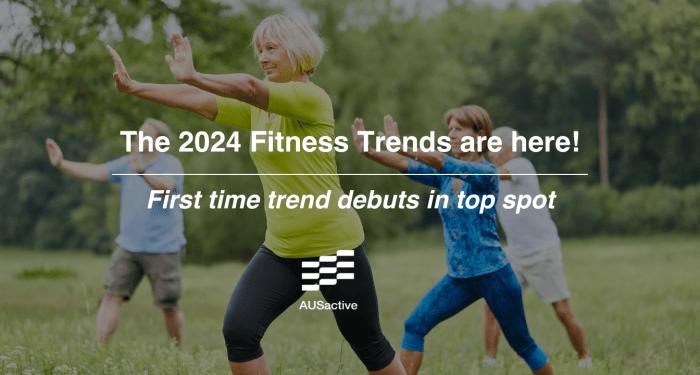
Fitness Trends 2024 are shaping up to be a dynamic blend of established practices and exciting innovations. This year sees a continued emphasis on holistic wellness, incorporating mental and emotional well-being alongside physical fitness. Technological advancements continue to play a crucial role, with fitness apps and wearables offering personalized tracking and guidance. Simultaneously, the resurgence of mind-body practices like yoga and Pilates underscores a growing awareness of the interconnectedness of physical and mental health.
We’ll delve into the top trends, exploring their underlying reasons for popularity and examining their potential longevity. We’ll also investigate the evolving role of technology, the rise of home fitness solutions, and the importance of integrating nutrition and mindful practices for optimal results. This exploration aims to provide a comprehensive understanding of the fitness landscape in 2024 and equip readers with the knowledge to make informed decisions about their own wellness journeys.
Home Fitness Solutions
The rise of home-based fitness reflects a broader shift in consumer preferences towards convenience, affordability, and personalized wellness. Driven by technological advancements and changing lifestyles, the home fitness market has experienced significant growth, offering a diverse range of options to suit individual needs and goals. This trend is expected to continue, fueled by ongoing improvements in technology and the increasing demand for accessible fitness solutions.The advantages and disadvantages of home versus gym workouts are significant factors influencing this growth.
Home workouts offer unparalleled convenience and flexibility, allowing individuals to exercise at their own pace and schedule without travel time or gym membership fees. This personalized approach can be particularly beneficial for those with busy schedules or specific fitness needs. However, the lack of specialized equipment, expert guidance, and the motivating atmosphere of a gym environment can be drawbacks for some individuals.
The social aspect of group fitness classes is also often cited as a missing element in home workouts.
Innovative Home Fitness Technology
Technological advancements have played a crucial role in transforming the home fitness experience. Smart fitness mirrors, like those offered by companies such as Peloton and Mirror, provide interactive, on-demand classes across various disciplines, offering personalized feedback and progress tracking. Wearable fitness trackers, such as Fitbits and Apple Watches, monitor heart rate, activity levels, and sleep patterns, providing valuable data to inform workout routines and overall health management.
Furthermore, fitness apps offer a wide range of exercises, personalized training plans, and nutritional guidance, often integrating with wearable technology for a holistic approach to fitness. These technological innovations make home workouts more engaging, effective, and data-driven than ever before.
Sample Home Workout Routine
This sample routine incorporates various equipment types readily available for home use. It focuses on a full-body workout, balancing strength training with cardiovascular exercise. Remember to consult with a healthcare professional before starting any new workout routine.
Warm-up (5 minutes): Light cardio, such as jumping jacks or high knees, followed by dynamic stretching, such as arm circles and leg swings.
Workout (30 minutes):
- Squats (10-12 repetitions): Bodyweight exercise targeting legs and glutes. Consider adding weight using dumbbells or resistance bands for increased intensity.
- Push-ups (as many repetitions as possible): Bodyweight exercise targeting chest, shoulders, and triceps. Modify by performing push-ups against a wall or on your knees if needed.
- Dumbbell Rows (10-12 repetitions per arm): Strength training exercise targeting back muscles. Use dumbbells or resistance bands.
- Plank (30-60 seconds): Core strengthening exercise engaging abdominal and back muscles.
- Jumping Jacks (30 seconds): Cardio exercise improving cardiovascular health and burning calories.
- Burpees (10 repetitions): Full-body exercise combining strength and cardio.
- Bicycle Crunches (15-20 repetitions per side): Abdominal exercise targeting obliques.
Cool-down (5 minutes): Static stretching, holding each stretch for 30 seconds. Focus on major muscle groups worked during the workout, such as quads, hamstrings, chest, and back.
Technology’s Role in Fitness
Technology is rapidly transforming the fitness landscape, offering innovative tools and approaches to help individuals achieve their health and wellness goals. From sophisticated tracking devices to immersive virtual reality experiences, technology is no longer a peripheral element but a central component of modern fitness routines. This integration offers both exciting opportunities and potential challenges that need careful consideration.Fitness tracking apps and wearables are significantly shaping fitness routines by providing personalized data and feedback.
This data-driven approach allows individuals to monitor their progress, identify areas for improvement, and maintain consistent motivation.
Fitness Tracking Apps and Wearables
Wearable technology, such as smartwatches and fitness trackers, continuously monitor various physiological metrics including heart rate, steps taken, sleep patterns, and calories burned. This constant stream of data provides users with a comprehensive overview of their daily activity levels. Fitness tracking apps, often paired with these wearables, further enhance this functionality by offering features such as personalized workout plans, nutritional guidance, and progress visualization.
For example, a user might set a daily step goal, receive real-time feedback on their progress throughout the day, and then analyze their weekly or monthly trends to identify areas needing attention. This personalized approach fosters engagement and helps users maintain consistent effort over time.
Virtual and Augmented Reality in Fitness
Virtual reality (VR) and augmented reality (AR) are increasingly integrated into fitness experiences, offering engaging and immersive workouts. VR fitness applications create simulated environments, allowing users to participate in virtual activities such as hiking, cycling, or boxing without leaving their homes. This gamified approach can enhance motivation and make exercise more enjoyable. AR, on the other hand, overlays digital information onto the real world.
AR fitness apps can guide users through exercises, provide real-time feedback, or even transform a living room into a virtual gym. Peloton’s interactive classes, which project instructors onto a screen, are a prime example of how this technology enhances home workout experiences.
Benefits and Drawbacks of Technology-Driven Fitness
Relying on technology for fitness offers several benefits, including personalized feedback, increased motivation through gamification, and convenient access to workouts. However, over-reliance on technology can also lead to drawbacks. For instance, the constant tracking of metrics can cause anxiety or obsessive behavior, and the gamified nature of some apps may lead to unrealistic expectations. Furthermore, the accuracy of data provided by wearable devices can vary, and the reliance on technology can diminish the importance of other crucial aspects of fitness, such as proper form and mindful movement.
A balanced approach, incorporating technology strategically alongside traditional methods, is crucial for maximizing benefits and minimizing potential drawbacks.
Top Five Fitness Apps
The proliferation of fitness apps offers a diverse range of options catering to various needs and preferences. Choosing the right app depends on individual goals and preferences. Here are five popular examples, each with distinct key features:
- Nike Training Club: Offers a vast library of workout videos, plans for various fitness levels, and expert-led training programs. It also integrates with other Nike apps for a comprehensive fitness ecosystem.
- Peloton: Provides live and on-demand fitness classes across various disciplines, including cycling, running, yoga, and strength training. Its interactive nature fosters a sense of community.
- MyFitnessPal: Focuses on nutrition tracking, allowing users to log meals, monitor calorie intake, and set nutritional goals. It also integrates with various fitness trackers.
- Headspace: A meditation and mindfulness app, providing guided meditations and mindfulness exercises to reduce stress and improve mental wellbeing – a crucial component of overall fitness.
- Strava: Primarily for runners and cyclists, Strava allows users to track their workouts, compete with friends, and join virtual communities. Its social features encourage motivation and accountability.
Mind-Body Fitness Practices
The integration of mind and body practices into fitness routines is no longer a niche trend; it’s a mainstream movement reflecting a growing awareness of holistic well-being. People are increasingly recognizing that physical fitness is only one piece of the puzzle, and that mental and emotional health are equally crucial for overall vitality. This shift is driving the popularity of practices that connect the mind and body, fostering both physical strength and mental clarity.Mind-body fitness approaches emphasize the interconnectedness of physical activity and mental state, aiming to cultivate a sense of balance and harmony.
This holistic approach acknowledges the significant impact of stress, anxiety, and mental fatigue on physical performance and recovery. By addressing both the physical and mental aspects of well-being, these practices offer a more sustainable and fulfilling path to fitness.
The Rise of Mindfulness and Meditation in Fitness
Mindfulness and meditation, once considered esoteric practices, are now being widely incorporated into fitness regimes. Their benefits extend beyond stress reduction; studies show that regular meditation can improve focus, enhance sleep quality, and even boost the immune system. Incorporating short meditation sessions before or after workouts can help athletes manage pre-competition anxiety and promote faster post-workout recovery. Many fitness apps now offer guided meditations tailored to different fitness goals, making these practices more accessible than ever.
For example, the Headspace app offers a range of mindfulness exercises specifically designed to complement workout routines.
The Benefits of Yoga and Pilates
Yoga and Pilates are two prominent examples of mind-body fitness practices that have gained immense popularity. Yoga combines physical postures, breathing techniques, and meditation to improve flexibility, strength, and balance while promoting mental calmness. Pilates focuses on core strength, body awareness, and precise movements, improving posture, stability, and reducing the risk of injuries. Both practices cultivate a deep connection between mind and body, fostering self-awareness and promoting relaxation.
The controlled movements and mindful breathing inherent in both disciplines contribute to stress reduction and improved mental clarity. Studies have shown that regular yoga practice can significantly reduce symptoms of anxiety and depression.
Comparison of Mind-Body Fitness Approaches
While yoga and Pilates are popular choices, other mind-body practices, such as Tai Chi and Qigong, offer similar benefits. Tai Chi, a gentle form of martial arts, combines slow, flowing movements with deep breathing, improving balance, flexibility, and reducing stress. Qigong, another ancient Chinese practice, involves controlled breathing, meditation, and gentle movements to enhance energy flow and promote overall well-being.
The key difference often lies in the intensity and focus. Yoga and Pilates can be more physically demanding, while Tai Chi and Qigong tend to be gentler and more meditative. The choice of practice depends on individual preferences, fitness levels, and desired outcomes. For example, someone recovering from an injury might find Tai Chi more suitable than a vigorous yoga class.
Contribution to Overall Well-being
The integration of mind-body practices into a fitness plan contributes significantly to overall well-being by fostering a holistic approach to health. These practices not only improve physical fitness but also enhance mental clarity, reduce stress, and promote emotional balance. The improved self-awareness cultivated through these practices can lead to healthier lifestyle choices and a greater sense of self-control.
This synergistic effect on both physical and mental health contributes to a more fulfilling and sustainable approach to wellness. For instance, individuals who incorporate meditation into their daily routine often report improved sleep quality, reduced anxiety, and increased resilience to stress, positively impacting their overall quality of life.
Nutrition and Fitness Synergy: Fitness Trends 2024
Achieving optimal fitness results requires a holistic approach that integrates effective training with a well-structured nutrition plan. Nutrition provides the fuel for workouts, supports muscle recovery, and contributes significantly to overall health and well-being, directly impacting your ability to reach your fitness goals. Ignoring proper nutrition can lead to plateaus, injuries, and diminished performance, undermining even the most dedicated training regime.The relationship between nutrition and fitness is symbiotic; proper nutrition enhances training effectiveness, while training influences nutritional needs.
For instance, an endurance athlete requires a different nutritional profile compared to a weightlifter, reflecting the varying energy demands and metabolic processes of their respective disciplines. Understanding this interplay is crucial for maximizing fitness outcomes.
Diets Supporting Different Fitness Activities
Different fitness activities demand different nutritional strategies. Endurance athletes, such as marathon runners, require a diet rich in carbohydrates to provide sustained energy. This could include whole grains, fruits, and vegetables. Conversely, strength training focuses on muscle growth and repair, necessitating a diet higher in protein, which can be sourced from lean meats, fish, eggs, and legumes. A balanced approach, incorporating both carbohydrates and protein, is generally recommended for most fitness activities.
For example, a long-distance cyclist might consume a diet high in complex carbohydrates for sustained energy release, while a bodybuilder might prioritize lean protein sources to support muscle growth and repair.
The Role of Supplements in Fitness
Supplements can play a supporting role in a fitness regimen, but they should never replace a balanced diet. Protein powders, for example, can aid in muscle recovery and growth, particularly when combined with resistance training. Creatine can enhance strength and power output during high-intensity activities. However, it’s crucial to be aware of potential risks and side effects.
Some supplements may interact negatively with medications or have undisclosed ingredients. Always consult with a healthcare professional or registered dietitian before starting any supplement regimen to ensure safety and efficacy. Furthermore, the efficacy of many supplements is still under research and their benefits are not always clearly established for all individuals.
Sample Meal Plan for High-Intensity Workouts
This sample meal plan provides a general guideline and may need adjustments based on individual needs, activity levels, and caloric requirements. Consult a registered dietitian for personalized advice.
| Day | Breakfast | Lunch | Dinner | Snacks |
|---|---|---|---|---|
| Monday | Oatmeal with berries and nuts | Grilled chicken salad with quinoa | Salmon with roasted vegetables | Greek yogurt, apple slices |
| Tuesday | Scrambled eggs with whole-wheat toast | Lentil soup with whole-grain bread | Lean beef stir-fry with brown rice | Trail mix, banana |
| Wednesday | Smoothie with protein powder, spinach, and banana | Turkey breast sandwich on whole-wheat bread | Chicken breast with sweet potato and broccoli | Hard-boiled egg, almonds |
| Thursday | Greek yogurt with granola and fruit | Leftover chicken stir-fry | Vegetarian chili with cornbread | Rice cakes with avocado |
| Friday | Whole-wheat pancakes with fruit and syrup | Tuna salad with whole-wheat crackers | Baked chicken with roasted vegetables | Cottage cheese, orange slices |
| Saturday | Breakfast burrito with eggs, beans, and vegetables | Leftover vegetarian chili | Pizza with whole-wheat crust and plenty of vegetables | Popcorn, berries |
| Sunday | Omelet with vegetables and cheese | Salad with grilled tofu or chickpeas | Pasta with lean ground turkey and marinara sauce | Fruit salad, yogurt |
Holistic Health and Wellness
Holistic health emphasizes the interconnectedness of physical, mental, and emotional well-being. It moves beyond simply treating symptoms to address the underlying causes of imbalance and promote overall wellness. This approach recognizes that our physical health is deeply influenced by our mental and emotional states, and vice-versa. A holistic approach encourages a proactive and preventative strategy for health, focusing on lifestyle choices that nurture all aspects of the individual.Holistic health considers the whole person—body, mind, and spirit—as a unified system.
Illness or imbalance in one area can often manifest in others. For example, chronic stress can lead to physical symptoms like headaches or digestive issues, while poor nutrition can negatively impact mood and cognitive function. Therefore, a holistic approach aims to create harmony and balance across all these dimensions to achieve optimal well-being.
Examples of Holistic Wellness Promotion in Health Blogs, Fitness Trends 2024
Many health blogs actively promote holistic wellness through various methods. Some blogs focus on providing recipes and meal plans that emphasize whole foods and mindful eating, thereby promoting both physical and mental well-being. Others might offer guided meditations, yoga routines, or journaling prompts to encourage stress reduction and emotional regulation. Still others may integrate advice on sleep hygiene, nature connection, and community engagement—all integral components of a holistic lifestyle.
A successful holistic health blog typically combines evidence-based information with practical, actionable strategies, encouraging readers to make gradual, sustainable changes to their lifestyle. For instance, a blog might feature a series of articles on stress management techniques, including deep breathing exercises, mindfulness practices, and time management strategies, all illustrated with real-life examples and actionable steps. Another might offer detailed guides on creating a balanced meal plan, highlighting the importance of nutrient-dense foods and their impact on energy levels and mood.
Practical Healthy Living Tips with Holistic Approaches
Prioritizing holistic health involves incorporating several key lifestyle elements. Regular physical activity, not just for weight management but also for stress reduction and improved mood, is crucial. Mindful eating, paying attention to hunger and fullness cues, and choosing nutrient-dense foods supports both physical and mental health. Sufficient sleep is essential for physical restoration and cognitive function. Stress management techniques like meditation, yoga, or spending time in nature are vital for emotional and mental well-being.
Strong social connections and fostering a sense of community provide emotional support and reduce feelings of isolation. Finally, engaging in activities that bring joy and purpose contributes to overall life satisfaction and well-being. These are not isolated practices but interconnected elements supporting each other to create a balanced and healthy lifestyle.
A Guide to Preventive Healthcare Strategies Promoting Holistic Health
Preventive healthcare within a holistic framework goes beyond annual check-ups. It involves proactive steps to maintain and improve all aspects of well-being. This includes regular exercise, a balanced diet rich in fruits, vegetables, and whole grains, and prioritizing sufficient sleep. Stress management techniques such as mindfulness meditation, deep breathing exercises, and yoga can significantly reduce the risk of stress-related illnesses.
Regular health screenings, including blood pressure, cholesterol, and blood sugar checks, are crucial for early detection of potential health problems. Building and maintaining strong social connections provides crucial emotional support and reduces the risk of mental health issues. Limiting alcohol consumption and avoiding tobacco use are fundamental for overall health. Finally, engaging in regular self-reflection and prioritizing mental and emotional health through practices like journaling or therapy are integral to a holistic approach to preventive healthcare.
This multifaceted strategy helps prevent illness and promotes a long and healthy life.
Wellness Coaching and Support
Wellness coaching plays a pivotal role in guiding individuals towards comprehensive well-being, extending beyond traditional fitness goals to encompass mental, emotional, and spiritual health. A skilled wellness coach acts as a guide, providing personalized support and accountability to help clients achieve their holistic health objectives. This approach acknowledges the interconnectedness of various aspects of well-being, creating a synergistic effect for lasting positive change.The benefits of personalized wellness plans are significant.
Tailored plans address individual needs, preferences, and limitations, leading to increased engagement and improved outcomes. By taking into account lifestyle, health history, and personal goals, a wellness coach can create a realistic and achievable path toward better health, minimizing the risk of discouragement and maximizing the chances of long-term success. This individualized approach fosters a stronger client-coach relationship, building trust and encouraging open communication crucial for lasting behavioral changes.
Personalized Wellness Plans and Their Advantages
Personalized wellness plans offer several key advantages. They enhance motivation by setting achievable goals, increase adherence through customized strategies, and improve overall results by focusing on individual needs. For example, a plan for a busy professional might emphasize time-efficient workouts and stress-reduction techniques, while a plan for a new parent might incorporate family-friendly activities and flexible scheduling. This tailored approach significantly increases the likelihood of sustained commitment to a healthier lifestyle.
Comparison of Wellness Coaching Methodologies
Different wellness coaching methodologies exist, each with its own approach and emphasis. Some coaches utilize a cognitive behavioral therapy (CBT) framework, focusing on identifying and modifying negative thought patterns and behaviors that hinder progress. Others may incorporate positive psychology principles, emphasizing strengths and building resilience. Integrative approaches combine various techniques, tailoring the strategy to the client’s specific needs and preferences.
The choice of methodology depends on the client’s goals and the coach’s expertise. For example, a client struggling with anxiety might benefit from a CBT-based approach, while someone seeking increased self-awareness might find an approach incorporating mindfulness practices more effective.
Sample Wellness Plan: Stress Management and Mind-Body Connection
This sample wellness plan integrates stress management techniques and mind-body connection exercises to promote holistic well-being. It emphasizes a gradual, sustainable approach, acknowledging the importance of consistency over intensity.
| Day | Morning | Afternoon | Evening |
|---|---|---|---|
| Monday | 10-minute meditation; mindful stretching | 15-minute walk outdoors; deep breathing exercises | Progressive muscle relaxation; journaling |
| Tuesday | Yoga; positive affirmations | Mindful eating; listening to calming music | Warm bath with Epsom salts; reading |
| Wednesday | 10-minute meditation; mindful stretching | 15-minute walk outdoors; deep breathing exercises | Progressive muscle relaxation; journaling |
| Thursday | Yoga; positive affirmations | Mindful eating; listening to calming music | Warm bath with Epsom salts; reading |
| Friday | 10-minute meditation; mindful stretching | 15-minute walk outdoors; deep breathing exercises | Progressive muscle relaxation; journaling |
| Weekend | Longer yoga session or nature walk; spending time in nature | Engage in hobbies; social connection | Relaxation techniques; early bedtime |
“Consistency is key. Small, sustainable changes over time yield greater long-term results than intense, unsustainable efforts.”
Stress Management and Mental Wellness
Stress significantly impacts our physical and mental health. Chronic stress weakens the immune system, increasing susceptibility to illness. It can also contribute to cardiovascular problems, digestive issues, and sleep disturbances. Addressing stress effectively is crucial for overall well-being and achieving holistic health goals.
The Interplay Between Stress and Physical Health
The connection between stress and physical health is complex but well-documented. When we experience stress, our bodies release hormones like cortisol and adrenaline, preparing us for a “fight or flight” response. While beneficial in short bursts, prolonged exposure to these hormones can disrupt various bodily functions. For example, consistently elevated cortisol levels can lead to increased blood pressure, contributing to hypertension and heart disease.
Furthermore, stress can negatively impact sleep quality, hindering the body’s ability to repair and rejuvenate itself. This, in turn, can weaken the immune system, making individuals more vulnerable to infections and illnesses. The chronic activation of the stress response can also contribute to gastrointestinal problems, such as irritable bowel syndrome (IBS), and exacerbate existing conditions like asthma or eczema.
Effective Stress Management Techniques
Several effective techniques can help manage stress and promote mental wellness. Breathing exercises, such as diaphragmatic breathing (also known as belly breathing), can calm the nervous system by slowing the heart rate and reducing blood pressure. Mindfulness practices, including meditation and yoga, encourage present moment awareness, reducing rumination on past stressors or anxieties about the future. Regular physical activity is another powerful stress reliever, releasing endorphins that have mood-boosting effects.
Engaging in hobbies and activities you enjoy can provide a much-needed break from stressful situations and promote relaxation. Prioritizing sufficient sleep is also essential, as sleep deprivation exacerbates stress and negatively impacts both physical and mental health.
The Role of Mental Health Professionals in Holistic Wellness
Mental health professionals play a vital role in supporting holistic wellness by providing guidance and treatment for stress, anxiety, and other mental health concerns. Therapists can teach coping mechanisms, such as cognitive behavioral therapy (CBT) techniques, to help individuals manage stress more effectively. They can also help identify underlying mental health conditions, such as depression or anxiety disorders, that may be contributing to chronic stress.
Furthermore, mental health professionals can provide support and guidance in navigating challenging life circumstances that may be causing significant stress. Their expertise is invaluable in fostering a comprehensive approach to well-being, addressing both the mental and physical aspects of health.
Resources for Stress Management and Mental Wellness Support
Finding support for stress management and mental wellness is crucial for maintaining a healthy lifestyle. Many resources are available to help individuals cope with stress and improve their mental health.
- Mental health apps: Numerous apps offer guided meditations, mindfulness exercises, and stress-reduction techniques.
- Online support groups: Connecting with others facing similar challenges can provide valuable emotional support and a sense of community.
- Therapy and counseling: Seeking professional help from a therapist or counselor can provide personalized guidance and support in managing stress and improving mental well-being.
- Stress management workshops: Many community centers and organizations offer workshops that teach practical stress management techniques.
- Helplines and crisis hotlines: These services provide immediate support during times of crisis or overwhelming stress.
Health Technology and Apps

The integration of technology into personal wellness is rapidly transforming how we approach health and fitness. 2024 sees a proliferation of innovative health technology and apps designed to make achieving health goals easier and more engaging than ever before. These tools move beyond simple calorie counting, offering sophisticated personalized insights and support for proactive health management.The Use of Health Technology in Preventive Healthcare and Wellness CoachingHealth technology is revolutionizing preventive healthcare by providing individuals with the tools to monitor their health proactively and identify potential risks early on.
Wearable devices, coupled with sophisticated apps, allow for continuous monitoring of vital signs such as heart rate, sleep patterns, and activity levels. This data, analyzed by algorithms, can identify trends and alert users to potential health concerns, facilitating early intervention and preventive measures. Wellness coaches can leverage this data to personalize coaching plans, providing tailored recommendations and support based on an individual’s specific needs and progress.
For instance, an app might detect irregular sleep patterns and suggest stress-reduction techniques or adjustments to daily routines, proactively addressing a potential health issue before it escalates.
Examples of Health Apps Promoting Healthy Habits and Tracking Progress
Many health apps effectively promote healthy habits and track progress through gamification, personalized feedback, and community features. Apps like MyFitnessPal utilize detailed food databases and tracking tools to monitor calorie intake and macronutrient ratios, while simultaneously providing personalized recommendations and educational resources on nutrition. Other apps, such as Headspace and Calm, focus on mindfulness and meditation, providing guided sessions and tracking progress towards mindfulness goals.
These apps often incorporate elements of gamification, such as awarding points or badges for completing activities, which encourages consistent engagement and reinforces positive behaviors. Furthermore, many apps incorporate social features, allowing users to connect with friends and family, share their progress, and participate in challenges, fostering a supportive community and enhancing motivation.
Comparison of Top Health Apps
The following table compares features and user experience of several leading health apps:
| App Name | Key Features | User Experience |
|---|---|---|
| MyFitnessPal | Calorie tracking, macronutrient tracking, recipe database, exercise tracking, community features | User-friendly interface, extensive database, good community support; can feel overwhelming for beginners |
| Headspace | Guided meditations, mindfulness exercises, sleep sounds, personalized content | Intuitive and calming interface, well-structured content; may not be suitable for those seeking highly structured programs |
| Peloton | On-demand and live fitness classes, performance tracking, community features | Engaging and motivating; requires a subscription; may not be accessible to all fitness levels |
| Apple Health | Data aggregation from various health apps and devices, health record management, health trend visualization | Convenient central hub for health data; functionality depends on connected apps and devices |
| Fitbit | Activity tracking, sleep monitoring, heart rate monitoring, personalized insights, community features | Comprehensive tracking capabilities; user interface can be improved for clarity; requires a Fitbit device |
Emerging Health News and Trends
The past year has witnessed a confluence of significant health news and trends that are reshaping public health initiatives and individual wellness practices. These developments underscore the evolving understanding of health and the increasingly integrated nature of physical, mental, and social well-being. Understanding these trends is crucial for adapting fitness and wellness programs to effectively meet the needs of a changing population.The impact of these emerging trends on public health and wellness practices is profound, influencing everything from government policies to individual lifestyle choices.
Increased awareness and proactive measures are becoming increasingly vital in navigating the complexities of modern health challenges.
Long COVID’s Ongoing Impact
Long COVID, characterized by persistent symptoms following an initial COVID-19 infection, continues to significantly impact public health. The wide range of symptoms, including fatigue, brain fog, and cardiovascular issues, presents challenges for diagnosis and treatment. This has led to increased demand for rehabilitation services, specialized medical care, and support groups for individuals experiencing long-term effects. Fitness and wellness programs are adapting by incorporating tailored exercise plans and holistic approaches focusing on managing fatigue and improving cardiovascular health for those recovering from long COVID.
For example, many gyms now offer low-impact classes and personalized training programs designed to accommodate the varying levels of physical capacity among long-COVID patients.
The Rise of Mental Health Awareness
Increased public awareness and destigmatization of mental health issues have led to a surge in demand for mental health services and support. This positive shift reflects a growing recognition of the interconnectedness of mental and physical well-being. The focus is shifting towards proactive mental health management, incorporating mindfulness, stress reduction techniques, and readily accessible mental health resources. Fitness and wellness programs are integrating mental health support through mindfulness-based exercises, yoga, meditation sessions, and access to mental health professionals.
For instance, many fitness apps now include guided meditation features and resources for stress management, while some gyms offer group therapy sessions or partnerships with mental health clinics.
Personalized Medicine and Genetic Testing
Advances in genetic testing and personalized medicine are transforming healthcare, offering tailored approaches to health and wellness based on individual genetic predispositions. This allows for more targeted prevention strategies and treatment plans, leading to improved health outcomes. The increased availability of at-home genetic testing kits has broadened access to this technology, fostering a more proactive approach to health management.
Fitness and wellness programs are leveraging genetic information to personalize workout routines, nutritional guidance, and overall wellness plans. For example, some companies offer fitness plans tailored to an individual’s genetic profile, predicting their response to different types of exercise and recommending optimized training programs. Nutritional plans can also be adjusted based on genetic predispositions to certain conditions.
Future Trends in Health and Wellness
The integration of technology in healthcare will continue to grow, with wearable technology and AI-driven health monitoring playing increasingly significant roles. This trend is likely to lead to more proactive health management and personalized interventions. A further emphasis on preventative care, incorporating holistic approaches that address physical, mental, and social well-being, will be paramount. Furthermore, a greater focus on community-based health initiatives and social determinants of health will be essential in creating equitable access to health resources and promoting overall well-being.
In conclusion, Fitness Trends 2024 reflect a holistic approach to wellness, prioritizing not only physical fitness but also mental and emotional well-being. The integration of technology, the rise of home fitness, and the renewed focus on mind-body practices all contribute to a more personalized and accessible fitness experience. By understanding these trends and incorporating elements that resonate with individual needs and preferences, individuals can embark on a more fulfilling and sustainable fitness journey in the year ahead.
The key takeaway is that a balanced approach, encompassing physical activity, mindful practices, and proper nutrition, is paramount for achieving holistic wellness in 2024 and beyond.
Popular Questions
What are the most affordable home fitness equipment options?
Resistance bands, jump ropes, and bodyweight exercises are budget-friendly options. Investing in a yoga mat and a few dumbbells can also significantly expand home workout possibilities.
How can I find a fitness plan that fits my busy schedule?
Short, high-intensity interval training (HIIT) workouts are ideal for busy schedules. Even 15-20 minutes of intense exercise can be highly effective. Prioritize consistency over duration.
Are fitness trackers truly accurate?
Fitness trackers provide estimates, not precise measurements. Accuracy can vary depending on the device and individual factors. Use them as a general guide rather than a definitive source of data.
How can I prevent injuries while working out at home?
Proper warm-up and cool-down routines are essential. Maintain correct form during exercises, and don’t hesitate to start with lighter weights or modifications. If pain persists, consult a healthcare professional.

