Clean Eating Nutrition Guide Your Path to Wellness

Clean Eating Nutrition Guide offers a comprehensive exploration of this popular dietary approach. It delves into the core principles, differentiating clean eating from restrictive diets and highlighting its unique benefits. We’ll uncover the potential impact on digestion, energy levels, and weight management, providing practical tools and resources to embark on your clean eating journey.
This guide provides a detailed 7-day meal plan with recipes, grocery shopping tips, and strategies for meal prepping and minimizing food waste. We’ll also address common misconceptions and challenges, offering solutions for sustainable long-term success. Finally, we’ll explore the integration of clean eating into a holistic health framework, emphasizing its role in preventative healthcare and overall well-being.
Grocery Shopping and Food Preparation for Clean Eating
Successfully navigating the grocery store and preparing clean-eating meals requires a strategic approach. By focusing on fresh, whole foods and implementing efficient meal-prepping techniques, you can simplify the process and ensure you consistently enjoy nutritious, delicious meals. This section will guide you through selecting the best ingredients and managing your food to minimize waste and maximize your health benefits.
Selecting Fresh, Whole Foods at the Grocery Store
Choosing high-quality ingredients is paramount for clean eating. Prioritize the perimeter of the grocery store, where fresh produce, meat, and dairy are typically located. Read labels carefully, paying attention to ingredient lists and nutritional information. Opt for minimally processed foods with recognizable ingredients.
- Produce: Look for vibrant colors, firm textures, and a pleasant aroma. Avoid bruised or damaged fruits and vegetables. Consider buying in-season produce for optimal flavor and nutritional value. For example, summer is the perfect time to buy juicy tomatoes and sweet corn, while winter offers hearty root vegetables like carrots and sweet potatoes.
- Meat and Poultry: Choose lean cuts of meat and poultry, and check the expiration dates. Look for organic or grass-fed options when possible, ensuring they are properly stored and handled.
- Dairy and Alternatives: Select plain, unsweetened yogurt, milk, or alternatives. Check for added sugars or artificial ingredients. Consider organic options if budget allows.
- Grains and Legumes: Choose whole grains such as brown rice, quinoa, and oats. Look for legumes like lentils and chickpeas, which are packed with protein and fiber.
Effective Meal Prepping and Food Storage Strategies
Meal prepping is a cornerstone of clean eating. By dedicating a few hours each week to preparing ingredients and meals, you can save time, reduce stress, and ensure you have healthy options readily available. Proper storage is crucial to maintain freshness and minimize food waste.
- Wash and Prep Produce: Wash and chop vegetables and fruits in advance. Store them in airtight containers in the refrigerator to maintain freshness. For example, pre-cut vegetables can be stored in separate containers to avoid cross-contamination and browning.
- Cook Grains and Legumes: Cook large batches of grains and legumes at the beginning of the week. Store them in airtight containers in the refrigerator or freezer for quick meal assembly.
- Portion Meals: Divide meals into individual portions for easy grab-and-go options throughout the week. This helps to control portions and prevents overeating.
- Utilize Freezer Space: Freeze leftovers and excess ingredients to extend their shelf life. Properly labeling and dating containers is crucial for efficient organization and preventing food waste. For example, individual portions of soups or stews can be frozen for later use.
Incorporating Seasonal Produce into Clean Eating Meals
Seasonal produce offers superior flavor and nutritional value. By incorporating seasonal fruits and vegetables into your meals, you can enjoy a wider variety of flavors and nutrients while supporting local farmers and reducing your environmental impact.
- Seasonal Planning: Research seasonal produce calendars for your region. This will help you plan your meals and grocery shopping accordingly. For instance, incorporating summer berries into smoothies or winter squash into hearty soups aligns with seasonal availability.
- Recipe Adaptability: Be flexible with your recipes and adapt them to utilize seasonal ingredients. For example, if a recipe calls for tomatoes, you might substitute them with zucchini or bell peppers if tomatoes are out of season.
- Farmers Markets: Visit local farmers markets to find the freshest, most flavorful seasonal produce. This also supports local agriculture and provides an opportunity to learn about different varieties of fruits and vegetables.
Clean Eating and Holistic Health
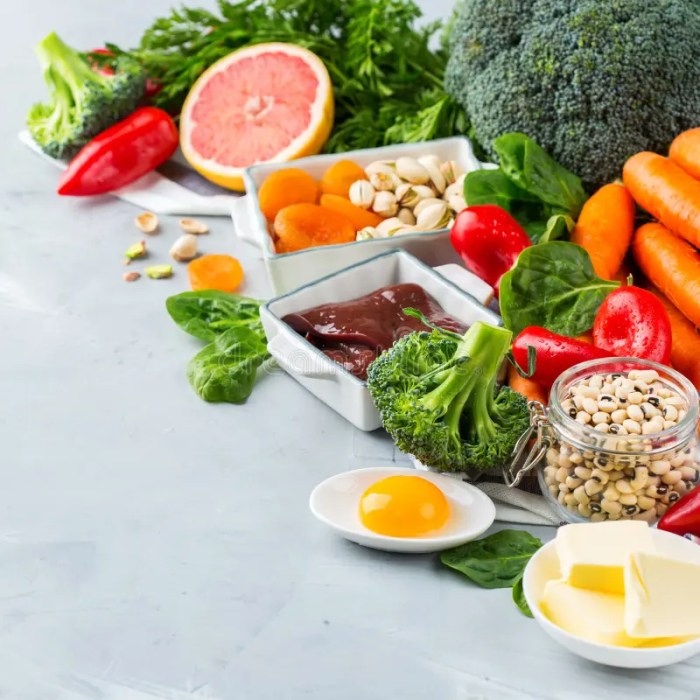
Clean eating, at its core, is about nourishing your body with whole, unprocessed foods. This approach aligns perfectly with the principles of holistic health, which emphasizes the interconnectedness of mind, body, and spirit. By focusing on nutrient-dense foods, we can support not only physical well-being but also mental and emotional health.Clean eating directly supports a holistic approach to wellness by providing the building blocks for optimal physical function.
This foundation allows for greater resilience against illness and promotes a more positive and energetic outlook on life. The benefits extend far beyond simply avoiding illness; they encompass a more profound sense of well-being.
Clean Eating’s Support of Holistic Wellness Aspects, Clean eating nutrition guide
Clean eating significantly impacts various aspects of holistic wellness. A diet rich in fruits, vegetables, and whole grains provides the necessary nutrients for optimal physical health, directly influencing energy levels and reducing the risk of chronic diseases. Furthermore, the act of preparing and consuming whole foods can be a mindful practice, promoting relaxation and reducing stress. This mindful approach to eating allows for a deeper connection with one’s body and needs, fostering a sense of self-awareness and self-care.
Clean Eating’s Role in Preventative Healthcare
Clean eating plays a crucial role in preventative healthcare by reducing the risk of numerous chronic diseases. By focusing on whole, unprocessed foods, we minimize our intake of harmful substances such as added sugars, unhealthy fats, and processed ingredients. This, in turn, reduces the burden on our bodies and strengthens our natural defenses.
- Reduced Risk of Cardiovascular Disease: A diet rich in fruits, vegetables, and whole grains is linked to lower blood pressure, cholesterol levels, and the risk of heart disease. For example, studies have shown a strong correlation between increased consumption of fiber-rich foods and a decreased risk of heart attacks and strokes.
- Improved Blood Sugar Control: Clean eating helps regulate blood sugar levels, reducing the risk of type 2 diabetes. The high fiber content in whole foods slows down the absorption of sugar into the bloodstream, preventing spikes and crashes.
- Enhanced Immune Function: A diet abundant in vitamins, minerals, and antioxidants strengthens the immune system, making the body more resilient to infections and illnesses. The colorful array of fruits and vegetables provides a wide spectrum of these essential nutrients.
- Improved Gut Health: The gut microbiome plays a vital role in overall health. A diet rich in prebiotics (found in foods like onions, garlic, and bananas) and probiotics (found in fermented foods like yogurt and kefir) supports a healthy gut environment, promoting better digestion and nutrient absorption.
- Weight Management: Clean eating often leads to healthier weight management. Whole foods are generally more filling and less calorie-dense than processed foods, promoting satiety and preventing overeating.
Addressing Common Challenges and Misconceptions
Clean eating, while offering numerous health benefits, is often misunderstood and can present challenges for those attempting to adopt it. Many misconceptions surround the concept, leading to frustration and ultimately, abandonment of a potentially healthy lifestyle. Understanding these misconceptions and anticipating potential difficulties is key to successfully integrating clean eating into your life. This section will address common pitfalls and provide practical solutions for maintaining a sustainable and balanced approach.Misconceptions about Clean Eating Often Lead to DifficultiesClean eating is frequently misinterpreted as restrictive or overly complicated.
This misconception stems from a lack of understanding about the principles involved. Many believe it necessitates eliminating entire food groups or adhering to rigid rules, creating a sense of deprivation that is ultimately unsustainable. Another common misconception is the belief that clean eating requires expensive, exotic ingredients. While access to high-quality produce is beneficial, clean eating can be achieved with budget-friendly options available at most grocery stores.
Defining Clean Eating: Dispelling Misconceptions
Clean eating prioritizes whole, unprocessed foods. It’s not about perfection but about making informed choices that prioritize nutrient-dense options. It’s about minimizing processed foods, added sugars, unhealthy fats, and artificial ingredients. It’s a flexible approach that allows for occasional indulgences without compromising overall healthy eating habits. Clean eating is not a diet; it’s a lifestyle shift focusing on nourishing your body with whole foods.
For example, opting for a baked chicken breast and roasted vegetables over a processed frozen meal exemplifies this approach. The focus is on understanding food labels and making choices that align with a healthier lifestyle.
Challenges in Adopting a Clean Eating Lifestyle and Their Solutions
Adopting a clean eating lifestyle can present several challenges. Time constraints often hinder meal preparation, leading individuals to rely on convenient, less healthy options. This can be addressed by planning meals in advance, batch cooking, and utilizing time-saving techniques like prepping vegetables on the weekend. Another common challenge is the cost. Organic produce and high-quality ingredients can be more expensive.
Budget-friendly solutions include buying seasonal produce, purchasing in bulk when possible, and incorporating less expensive, nutrient-rich options like beans and lentils. Social situations and dining out can also be challenging, but choosing restaurants that offer healthier options or selecting dishes with plenty of vegetables and lean protein can help maintain a clean eating approach.
Maintaining a Balanced and Sustainable Clean Eating Approach
Maintaining a balanced and sustainable clean eating approach requires a holistic strategy. It’s essential to listen to your body’s hunger cues and avoid restrictive eating patterns. Incorporating a variety of whole foods from all food groups ensures adequate nutrient intake. This includes fruits, vegetables, lean proteins, whole grains, and healthy fats. Flexibility is key; occasional treats and social meals should not derail your progress.
Focus on gradual changes and celebrate small victories. Seeking support from friends, family, or a registered dietitian can provide encouragement and guidance throughout your journey. Remember, clean eating is a long-term commitment, not a short-term fix, and sustainable habits are built gradually.
Clean Eating Resources and Further Learning
Embarking on a clean eating journey often involves continuous learning and refinement. This section provides resources to support your progress and offers guidance on identifying trustworthy sources of information. Understanding where to find accurate and reliable information is crucial for making informed decisions about your diet and overall health.
Navigating the vast world of nutrition information can be challenging. Many sources offer conflicting advice, making it difficult to discern fact from fiction. Therefore, developing a critical eye for credible sources is paramount to your success in adopting and maintaining a clean eating lifestyle.
Reputable Resources for Clean Eating
The following table lists several reputable resources that offer reliable information and guidance on clean eating. These resources vary in format, offering options to suit different learning styles and preferences.
| Resource Type | Examples |
|---|---|
| Books | “The Clean Eating Diet” by Tosca Reno, “The Complete Idiot’s Guide to Clean Eating” by Leslie Bonci, RDN, “Clean Eating for Dummies” by Barbara O’Neill, RDN. Note: Always check publication dates to ensure information remains current. |
| Websites | The Academy of Nutrition and Dietetics (eatright.org), Mayo Clinic (mayoclinic.org), Harvard T.H. Chan School of Public Health (hsph.harvard.edu). These websites provide evidence-based information from reputable organizations. |
| Apps | MyFitnessPal (calorie tracking and macronutrient information), Cronometer (detailed nutrient tracking), Lose It! (calorie tracking and weight management). These apps can assist with tracking food intake and achieving dietary goals, but always cross-reference information with credible sources. |
Characteristics of Credible Nutrition Information
Identifying trustworthy sources of nutrition information is essential for making healthy choices. Look for these key characteristics:
- Evidence-based information: Credible sources cite scientific studies and research to support their claims. Avoid sources that rely heavily on anecdotal evidence or testimonials.
- Registered dietitians or other qualified professionals: Look for information from registered dietitians (RDs), registered dietitian nutritionists (RDNs), or other licensed healthcare professionals with expertise in nutrition.
- Balanced and unbiased information: Avoid sources that promote extreme diets or make overly simplistic claims. A balanced approach to nutrition emphasizes a variety of whole foods and a healthy lifestyle.
- Transparency and disclosure: Reputable sources will clearly state their sources of funding and any potential conflicts of interest.
- Up-to-date information: Nutrition science is constantly evolving. Seek out information from sources that regularly update their content to reflect the latest research.
Healthy Living Tips Related to Clean Eating and Overall Well-being
Clean eating is more than just choosing specific foods; it’s about adopting a holistic approach to wellness. These tips support both clean eating and overall well-being:
- Prioritize whole, unprocessed foods: Focus on fruits, vegetables, whole grains, lean proteins, and healthy fats.
- Cook more meals at home: This allows for greater control over ingredients and portion sizes.
- Stay hydrated: Drink plenty of water throughout the day.
- Manage stress: Stress can impact eating habits and overall health. Incorporate stress-reducing activities like exercise, yoga, or meditation.
- Prioritize sleep: Aim for 7-9 hours of quality sleep each night.
- Engage in regular physical activity: Exercise benefits both physical and mental health.
Embarking on a clean eating journey is a commitment to nourishing your body and mind. This guide provides the foundation for making informed choices, creating sustainable habits, and experiencing the transformative benefits of a clean eating lifestyle. Remember that consistency and mindful choices are key to achieving your health goals. By understanding the principles, planning effectively, and embracing a holistic approach, you can unlock the power of clean eating for a healthier, more vibrant you.
FAQ Overview: Clean Eating Nutrition Guide
What are some common clean eating misconceptions?
A common misconception is that clean eating is overly restrictive or eliminates entire food groups. It’s about prioritizing whole, unprocessed foods while still allowing for flexibility and enjoyment.
Is clean eating suitable for everyone?
While generally beneficial, individual needs vary. Consult a healthcare professional or registered dietitian before making significant dietary changes, especially if you have underlying health conditions.
How can I stay motivated with clean eating?
Set realistic goals, find healthy recipes you enjoy, and focus on the positive effects on your energy and well-being. Don’t be afraid to seek support from friends, family, or online communities.
How do I handle social situations while clean eating?
Communicate your dietary preferences politely and choose healthy options from menus. Prepare your own dish to bring to potlucks or social gatherings.


