Healthy Living for Busy People
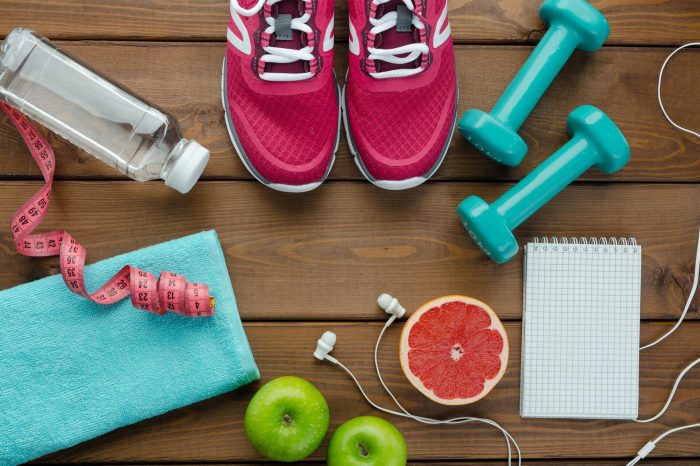
Healthy living for busy people doesn’t have to be a myth. This guide explores practical strategies for incorporating wellness into even the most demanding schedules. We’ll delve into time management techniques, quick and nutritious meal options, efficient workout routines, and stress reduction methods, all designed to help you prioritize your well-being without sacrificing your productivity. Discover how to create a sustainable lifestyle that supports both your professional and personal goals.
From optimizing your daily schedule to harnessing the power of technology for health tracking, we’ll cover a range of approaches to help you achieve a balanced and fulfilling life. We’ll also address common challenges and offer solutions tailored to the needs of busy individuals, empowering you to take control of your health and well-being.
Stress Reduction Techniques

Maintaining a healthy lifestyle amidst a busy schedule often necessitates incorporating effective stress reduction strategies. Chronic stress can negatively impact physical and mental well-being, leading to decreased productivity and increased health risks. Therefore, prioritizing stress management techniques is crucial for overall health and well-being.
Effective Breathing Exercises for Stress Management
Deep, controlled breathing techniques can quickly calm the nervous system and reduce feelings of anxiety. One effective method is diaphragmatic breathing, also known as belly breathing. This technique focuses on utilizing the diaphragm, the muscle separating the chest and abdomen, for deeper inhalations and exhalations. Practicing diaphragmatic breathing involves lying down or sitting comfortably, placing one hand on your chest and the other on your abdomen.
Inhale slowly and deeply through your nose, feeling your abdomen rise while your chest remains relatively still. Exhale slowly through your mouth, feeling your abdomen fall. Repeat this cycle for several minutes, focusing on the sensation of your breath. Another beneficial technique is the 4-7-8 breathing exercise: Inhale deeply through your nose for a count of four, hold your breath for a count of seven, and exhale slowly through your mouth for a count of eight.
Repeating this sequence several times can promote relaxation and reduce stress.
Mindfulness Meditation: A Step-by-Step Guide
Mindfulness meditation involves focusing on the present moment without judgment. Regular practice can improve focus, reduce stress, and enhance emotional regulation. A simple guided meditation involves finding a quiet space, sitting comfortably with your spine straight, and closing your eyes gently. Begin by focusing on your breath, noticing the sensation of each inhale and exhale. When your mind wanders—and it inevitably will—gently redirect your attention back to your breath without self-criticism.
You can also focus on bodily sensations, sounds, or visual details in your environment. Start with short sessions (5-10 minutes) and gradually increase the duration as you become more comfortable. The key is consistency; even short, regular practice is more beneficial than infrequent, longer sessions. Consider using a guided meditation app to assist with the process.
Sleep Hygiene and Strategies for Improving Sleep Quality
Adequate sleep is paramount for stress reduction and overall health. Poor sleep hygiene contributes significantly to increased stress levels and reduced cognitive function. Establishing a regular sleep schedule, maintaining a consistent wake-up time even on weekends, is crucial for regulating your body’s natural sleep-wake cycle. Creating a relaxing bedtime routine, such as taking a warm bath, reading a book, or listening to calming music, can signal to your body that it’s time to wind down.
Ensuring your bedroom is dark, quiet, and cool promotes better sleep quality. Avoiding caffeine and alcohol before bed is also essential, as these substances can interfere with sleep. Regular physical activity during the day can improve sleep, but avoid intense workouts close to bedtime. If sleep problems persist, consulting a healthcare professional is recommended.
Relaxation Techniques for the Busy Workday
Incorporating brief relaxation techniques throughout the workday can significantly reduce stress and improve productivity. Practicing deep breathing exercises at your desk for a few minutes can provide immediate relief from stress. Taking short breaks to stretch or walk around can improve circulation and reduce muscle tension. Listening to calming music or nature sounds can create a more peaceful work environment.
Practicing progressive muscle relaxation, systematically tensing and releasing different muscle groups, can alleviate physical tension associated with stress. Utilizing mindfulness techniques, even for a minute or two, can help refocus attention and reduce mental clutter. Engaging in a hobby during lunch breaks or after work can provide a much-needed mental escape and reduce stress levels.
Mental Well-being for Busy People
Maintaining mental well-being is crucial, especially in today’s fast-paced world. The constant demands of a busy lifestyle can significantly impact both our mental and physical health, leading to burnout and decreased overall quality of life. Understanding the connection between stress and well-being is the first step towards proactively managing our mental health.The Impact of Stress on Physical and Mental HealthStress, whether chronic or acute, exerts a profound influence on both physical and mental health.
Physically, prolonged stress can manifest as headaches, digestive issues, weakened immunity, cardiovascular problems, and even sleep disturbances. Mentally, the effects can include anxiety, depression, irritability, difficulty concentrating, and decreased emotional resilience. The body’s stress response, while initially helpful for dealing with immediate threats, becomes detrimental when activated constantly. This continuous state of “fight or flight” depletes resources and increases vulnerability to illness.
Stress and Anxiety Management Techniques for Busy Individuals
Effective stress management involves incorporating practical strategies into daily life. Mindfulness practices, such as meditation or deep breathing exercises, can help regulate the nervous system and reduce anxiety. Regular physical activity, even short bursts of exercise, releases endorphins and improves mood. Prioritizing sleep is also paramount; aiming for 7-9 hours of quality sleep each night is essential for mental restoration.
Time management techniques, like prioritizing tasks and utilizing time-blocking, can reduce feelings of overwhelm. Finally, incorporating relaxation techniques like progressive muscle relaxation or listening to calming music can provide much-needed respite from daily pressures.
The Importance of Self-Compassion and Self-Care
Self-compassion involves treating oneself with the same kindness and understanding one would offer a friend facing similar challenges. It acknowledges that setbacks and imperfections are a normal part of life and encourages self-forgiveness rather than self-criticism. Self-care, on the other hand, encompasses activities that nurture physical and mental well-being. This could include anything from engaging in hobbies to spending time in nature, pursuing creative endeavors, or simply taking breaks throughout the day to recharge.
Regular self-care practices help build resilience and protect against the negative impacts of stress. For example, setting aside 15 minutes each day for a mindful walk can significantly improve mood and reduce stress levels.
Mental Health Resources for Busy Individuals, Healthy living for busy people
Accessing mental health support is crucial, particularly during times of high stress. Many resources cater specifically to the needs of busy individuals. Online therapy platforms offer convenient and flexible access to mental health professionals. Mobile apps provide guided meditations, mindfulness exercises, and stress-management tools. Employee assistance programs (EAPs) often provide confidential counseling services to employees.
Support groups, either in-person or online, can provide a sense of community and shared experience. Finally, helplines and crisis hotlines offer immediate support during times of distress. It’s important to remember that seeking help is a sign of strength, not weakness, and that many resources are readily available to support mental well-being.
Ultimately, healthy living for busy people is about making conscious choices and integrating small, sustainable changes into your daily routine. By prioritizing self-care, embracing efficient strategies, and leveraging available resources, you can create a lifestyle that nurtures your physical and mental health, even amidst a demanding schedule. Remember that even small steps towards a healthier you can make a significant difference over time.
Prioritize your well-being – it’s an investment in your future.
Answers to Common Questions: Healthy Living For Busy People
What if I don’t have access to a gym?
Many effective workouts can be done at home using only bodyweight. This guide includes examples of such routines.
How can I stay motivated when I’m constantly tired?
Start small, set realistic goals, and celebrate your achievements. Find an exercise buddy or join an online community for support.
What are some healthy, quick breakfast ideas?
Overnight oats, yogurt with fruit and granola, or a smoothie are all nutritious and quick options.
How do I deal with stress related to work deadlines?
Practice mindfulness, deep breathing exercises, and prioritize sleep. Learn to delegate tasks when possible and take short breaks throughout the day.


