Simple Healthy Living Tips A Practical Guide
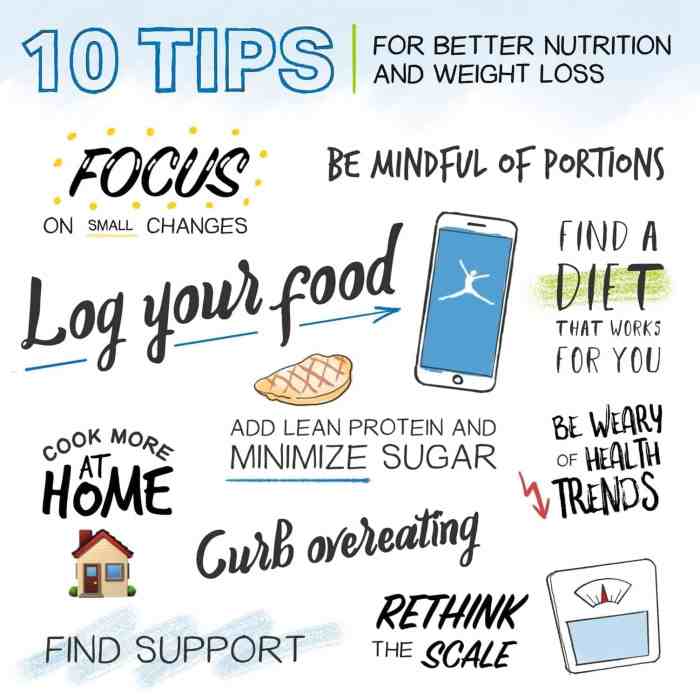
Simple healthy living tips are more than just diet and exercise; they encompass a holistic approach to well-being. This guide explores practical strategies for nourishing your body, moving your mind, and managing stress to achieve a balanced and fulfilling life. We’ll delve into simple meal planning, effective exercise routines, stress-reduction techniques, and the importance of sleep, all while highlighting the role of technology and critical thinking in navigating the ever-evolving world of health information.
From understanding nutrition basics and creating a sustainable exercise plan to mastering stress management and prioritizing sleep hygiene, this guide offers a comprehensive framework for integrating healthy habits into your daily life. We’ll also touch upon the exciting advancements in health technology and the importance of discerning credible health information, empowering you to make informed decisions about your well-being.
Stress Management Techniques
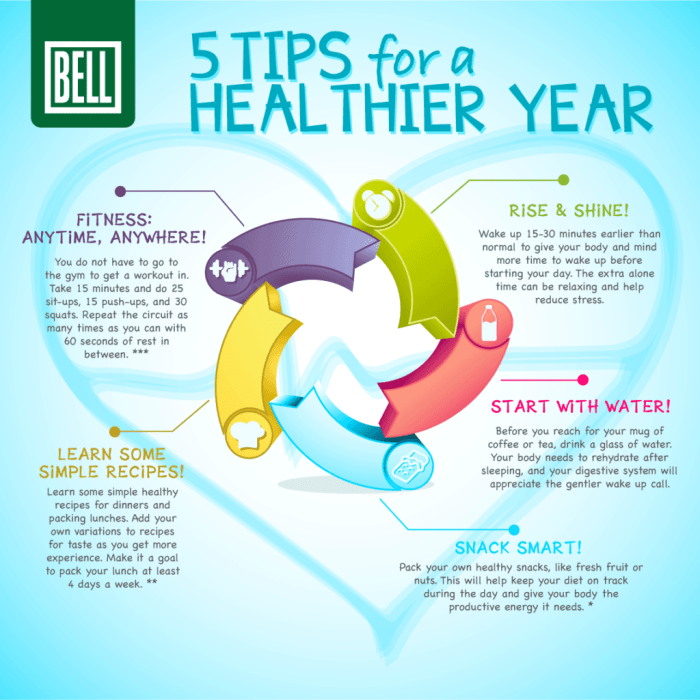
Stress is a pervasive aspect of modern life, impacting our physical and mental well-being. Learning effective stress management techniques is crucial for maintaining a healthy lifestyle and preventing the detrimental effects of chronic stress. This section explores several practical strategies to help you navigate stressful situations and cultivate inner peace.
Five Effective Stress-Reduction Techniques
Managing stress effectively involves a multi-faceted approach. The following techniques offer diverse pathways to relaxation and emotional regulation. Consistent practice is key to reaping their benefits.
- Meditation: Meditation involves focusing your attention on a single point of reference, such as your breath or a mantra, to quiet the mind and promote relaxation. Regular meditation practice can reduce anxiety, improve focus, and enhance emotional resilience.
- Deep Breathing Exercises: Deep, slow breathing activates the parasympathetic nervous system, counteracting the body’s stress response. Techniques like diaphragmatic breathing, where you expand your abdomen on the inhale, can significantly reduce feelings of tension and anxiety.
- Yoga: Yoga combines physical postures, breathing techniques, and meditation to promote physical and mental well-being. The postures increase flexibility and strength, while the breathing and meditation aspects help calm the mind and reduce stress.
- Progressive Muscle Relaxation: This technique involves systematically tensing and releasing different muscle groups in your body. By consciously noticing the tension and then releasing it, you can learn to identify and alleviate physical manifestations of stress.
- Spending Time in Nature: Studies show that spending time outdoors, whether it’s a walk in the park or a hike in the mountains, can significantly reduce stress levels and improve mood. The natural environment provides a calming and restorative effect.
Mindfulness and Guided Meditation
Mindfulness involves paying attention to the present moment without judgment. It cultivates awareness of your thoughts, feelings, and bodily sensations, allowing you to respond to stress more effectively. Regular mindfulness practice can reduce reactivity and increase emotional regulation.
Here is a guided meditation script:
Find a comfortable position, either sitting or lying down. Close your eyes gently. Bring your attention to your breath, noticing the sensation of the air entering and leaving your nostrils. Feel the rise and fall of your chest or abdomen. If your mind wanders, gently guide your attention back to your breath. Notice any thoughts or feelings that arise without judgment. Simply observe them as they pass. Continue focusing on your breath for five minutes. When you’re ready, slowly open your eyes.
The Connection Between Stress and Physical Health
Chronic stress significantly impacts physical health. The body’s prolonged stress response can lead to a range of health problems, including cardiovascular disease, weakened immunity, digestive issues, and sleep disturbances. Elevated cortisol levels, a hallmark of chronic stress, contribute to inflammation and cellular damage throughout the body. For example, long-term stress can increase the risk of heart attack and stroke due to increased blood pressure and cholesterol levels.
Incorporating Stress Management Techniques into a Daily Routine, Simple healthy living tips
A step-by-step guide for integrating stress management into your daily life:
- Start Small: Begin with just 5-10 minutes of a chosen technique each day. Gradually increase the duration as you become more comfortable.
- Consistency is Key: Make stress management a regular part of your routine, just like brushing your teeth. Consistency is more important than duration.
- Choose Your Techniques: Select techniques that resonate with you and fit your lifestyle. Experiment to find what works best.
- Create a Dedicated Space: Designate a quiet and comfortable space for your practice to minimize distractions.
- Be Patient and Kind to Yourself: Don’t get discouraged if you find it challenging at first. Practice regularly, and you will gradually experience the benefits.
Understanding Health News and Trends: Simple Healthy Living Tips
The constant barrage of health information – from social media posts to news headlines – can be overwhelming. Navigating this landscape requires a discerning eye and a healthy dose of skepticism. Understanding how to evaluate health news and trends is crucial for making informed decisions about your well-being. This section will equip you with the tools to critically assess health information and become a more informed consumer.The significance of accurately interpreting health news cannot be overstated.
Misinformation can lead to unnecessary anxiety, inappropriate self-treatment, and potentially harmful health choices. Conversely, understanding reliable sources and applying critical thinking skills empowers individuals to make choices aligned with their health goals.
Current Health News and Trends: A Critical Analysis
Three significant current health trends warrant examination: the continued rise in telehealth services, the growing interest in personalized nutrition, and the ongoing debate surrounding the long-term effects of COVID-19. Telehealth has expanded access to healthcare, particularly for those in remote areas or with mobility limitations. However, concerns remain regarding the quality of virtual care and the potential for digital disparities.
Personalized nutrition, driven by advances in genomics and data analysis, promises tailored dietary recommendations. However, the scientific evidence supporting many personalized nutrition plans remains limited, and the potential for oversimplification or misleading marketing is a significant concern. Finally, the long-term effects of COVID-19, including “long COVID,” are still being investigated. Research is ongoing, and much remains unknown about the prevalence, severity, and treatment of these long-term consequences.
The need for rigorous, peer-reviewed studies and cautious interpretation of preliminary findings is paramount.
Identifying Reliable Sources of Health Information
Reliable sources of health information typically adhere to specific criteria. They prioritize evidence-based practices, cite credible research, and avoid sensationalism or unsubstantiated claims. Reputable organizations, such as the Centers for Disease Control and Prevention (CDC), the World Health Organization (WHO), and the National Institutes of Health (NIH), are excellent starting points. Peer-reviewed journals, while often more technical, provide the most rigorous scientific evidence.
Websites ending in “.gov” or “.edu” often indicate government or educational institutions, which typically adhere to higher standards of accuracy. It is crucial to be wary of websites or social media accounts that promote products or services without scientific backing, use fear-mongering tactics, or rely on anecdotal evidence.
The Importance of Critical Thinking When Evaluating Health Claims
Critical thinking is essential when evaluating health information. This involves questioning the source’s credibility, examining the evidence presented, and considering potential biases. Ask yourself: Who is providing this information? What is their motivation? Is the information supported by scientific evidence?
Are there any conflicts of interest? Consider the overall context of the claim. Does it align with established medical knowledge? Beware of claims that promise quick fixes or miracle cures, as these are often misleading. Remember, health information should be approached with a healthy dose of skepticism and a commitment to seeking out multiple perspectives.
A Guide for Consumers Navigating Online Health Information
Navigating the vast amount of online health information requires a structured approach. First, identify your information need. Be specific in your search terms. Then, prioritize reliable sources like those mentioned previously. Look for websites that cite their sources and avoid those that rely on unsubstantiated claims or anecdotal evidence.
Compare information from multiple sources to identify consistent findings. Be wary of information that is overly simplistic or sensationalized. Finally, consult with a healthcare professional before making any significant changes to your diet, exercise routine, or treatment plan based on information found online. Remember that your healthcare provider is your best resource for personalized health advice.
Ultimately, simple healthy living is a journey, not a destination. By consistently incorporating these practical tips into your routine, you can cultivate a healthier, happier, and more energized life. Remember that small, sustainable changes can have a profound impact on your overall well-being. Prioritize self-care, listen to your body, and celebrate your progress along the way. Embrace the journey towards a healthier, more vibrant you!
FAQ Overview
What are some quick healthy snacks?
Fruits (apples, bananas, berries), vegetables (carrots, celery with hummus), nuts, yogurt, hard-boiled eggs are all excellent quick and healthy snack options.
How can I stay motivated to exercise?
Find an activity you enjoy! Try different things until you find something you look forward to. Consider working out with a friend for accountability and support.
Is it okay to skip a day of exercise?
It’s alright to take rest days. Consistency is key, but occasional breaks allow your body to recover and prevent injury.
How much sleep is truly necessary?
Most adults need 7-9 hours of quality sleep per night. Prioritize a consistent sleep schedule and a relaxing bedtime routine.


