Holistic Health Practitioners A Comprehensive Guide
Holistic health practitioners offer a unique approach to wellness, emphasizing the interconnectedness of mind, body, and spirit. Unlike conventional medicine, which often focuses on treating specific symptoms, holistic practitioners consider the whole person and seek to identify and address the root causes of illness. This approach integrates various therapeutic modalities, including acupuncture, naturopathy, chiropractic care, and more, to create personalized treatment plans aimed at promoting overall well-being and preventing future health issues.
The philosophy behind holistic health is grounded in the belief that individuals possess an inherent capacity for self-healing, and practitioners act as guides in unlocking this potential.
This guide explores the diverse world of holistic health practitioners, detailing their services, educational backgrounds, and the benefits of their approach. We’ll examine how holistic methods can be applied to manage chronic conditions, support mental health, and promote preventative care. Furthermore, we’ll provide practical advice on finding a qualified practitioner and building a strong therapeutic relationship.
Holistic Health and Specific Health Concerns
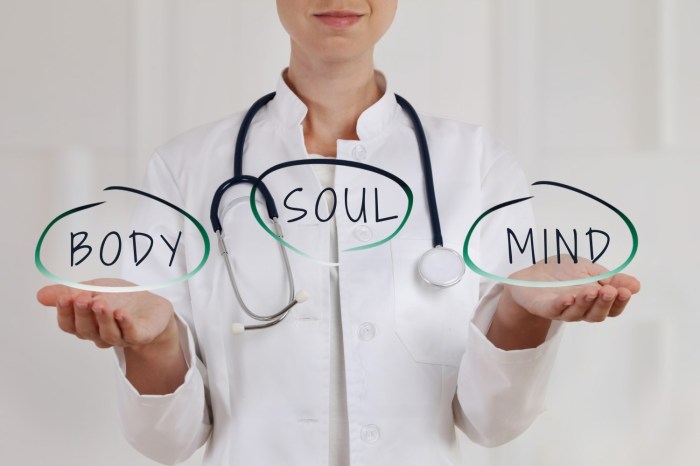
Holistic health approaches emphasize the interconnectedness of mind, body, and spirit in achieving optimal well-being. This integrated perspective offers a powerful framework for managing chronic diseases, supporting mental health, and promoting preventative care, moving beyond a purely symptomatic treatment model. Instead of focusing solely on treating individual symptoms, holistic health seeks to address the root causes of illness and empower individuals to take an active role in their own healing.
Holistic Health and Chronic Disease Management
Holistic approaches to chronic diseases like diabetes and heart disease often involve a combination of conventional medical treatments alongside complementary therapies. For example, in diabetes management, a holistic practitioner might recommend dietary changes emphasizing whole, unprocessed foods, stress-reduction techniques like yoga or meditation, and regular exercise, in addition to prescribed medication and blood glucose monitoring. For heart disease, this could include lifestyle modifications focusing on a heart-healthy diet, stress management, and regular physical activity, alongside conventional medical interventions such as medication and cardiac rehabilitation.
The aim is to synergistically combine these methods for a more comprehensive and effective management strategy. This holistic approach is not meant to replace conventional medicine but to complement and enhance its effectiveness.
Holistic Approaches to Mental Well-being
Holistic health recognizes the profound impact of mental and emotional well-being on overall health. Therapies such as mindfulness meditation, cognitive behavioral therapy (CBT), and various forms of counseling are frequently incorporated into holistic mental health plans. These practices aim to address the underlying causes of mental health challenges, such as stress, anxiety, or trauma, promoting emotional regulation and resilience.
Furthermore, practices like yoga, tai chi, and spending time in nature can significantly contribute to stress reduction and improved mental clarity. The focus is on building coping mechanisms and fostering a positive relationship with oneself and one’s environment.
Holistic Principles in Preventive Healthcare
Preventive healthcare within a holistic framework emphasizes proactive measures to maintain health and prevent disease. This involves lifestyle choices that support overall well-being, such as regular exercise, a balanced diet rich in whole foods, sufficient sleep, stress management techniques, and strong social connections. Regular check-ups with healthcare professionals, including holistic practitioners, allow for early detection of potential health issues and personalized guidance on preventative strategies.
The focus is on empowering individuals to take control of their health by making informed choices that support their physical, mental, and emotional well-being, reducing the likelihood of developing chronic diseases.
Case Study: Holistic Treatment for Fibromyalgia
A 45-year-old woman diagnosed with fibromyalgia experienced chronic pain, fatigue, and sleep disturbances. Conventional treatments offered limited relief. She then incorporated a holistic approach, including acupuncture, massage therapy, and a modified diet focusing on anti-inflammatory foods. She also practiced regular yoga and meditation for stress management. Over six months, she reported a significant reduction in pain levels, improved sleep quality, and increased energy levels.
While this is one example and results vary, it illustrates how a holistic approach can address multiple symptoms simultaneously and improve overall quality of life for individuals with complex conditions.
Holistic Health Blogs, Healthy Living, and Related Topics: Holistic Health Practitioners
Holistic health blogs serve as vital platforms for disseminating information about integrated approaches to wellness. They bridge the gap between complex medical concepts and everyday life, empowering individuals to take control of their health journeys. These blogs often provide accessible explanations of holistic principles, practical tips for healthy living, and personal stories that resonate with readers.
The Role of Holistic Health Blogs in Disseminating Information
Holistic health blogs play a crucial role in educating the public about alternative and complementary therapies, healthy lifestyle choices, and the mind-body connection. They often feature expert interviews, research summaries, and personal narratives, making complex information more digestible and relatable. This accessibility helps individuals make informed decisions about their healthcare, fostering a sense of empowerment and self-advocacy. The interactive nature of many blogs, allowing for comments and discussions, further strengthens community building and knowledge sharing.
Effective Healthy Living Tips Promoted by Holistic Practitioners
Many holistic practitioners promote healthy living through various strategies. These include emphasizing the importance of mindful eating, incorporating regular physical activity tailored to individual needs and capabilities, prioritizing sufficient sleep, and cultivating stress-reducing practices like meditation or yoga. Furthermore, many advocate for spending time in nature, connecting with supportive communities, and engaging in hobbies that bring joy and fulfillment.
These tips focus on creating a balanced lifestyle that nurtures physical, mental, and emotional well-being.
A Holistic Nutrition and Diet Guide
A holistic approach to nutrition emphasizes whole, unprocessed foods, focusing on nutrient density rather than calorie restriction. This means incorporating a wide variety of fruits, vegetables, lean proteins, and healthy fats into the diet. Individual needs vary, but generally, a diet rich in antioxidants, fiber, and essential vitamins and minerals is recommended. Processed foods, refined sugars, and excessive saturated fats are typically minimized.
Hydration is also crucial, with water being the preferred beverage. Listening to the body’s hunger and fullness cues is key, avoiding restrictive dieting. This mindful approach allows for flexibility and sustainability, promoting long-term health and well-being.
Wellness Coaching and Holistic Health Outcomes
Wellness coaching supports holistic health by providing personalized guidance and accountability. Coaches work collaboratively with clients to identify goals, develop action plans, and overcome obstacles. This individualized approach considers the client’s unique circumstances, beliefs, and values, fostering intrinsic motivation and sustainable lifestyle changes. By addressing all aspects of well-being – physical, mental, emotional, and spiritual – wellness coaching contributes to improved overall health and a greater sense of purpose.
Holistic Stress Management Methods
Holistic stress management techniques aim to address the root causes of stress rather than just managing the symptoms. These methods often incorporate mindfulness practices like meditation and deep breathing exercises to calm the nervous system. Yoga and tai chi combine physical movement with mindful breathing, promoting relaxation and stress reduction. Spending time in nature, engaging in hobbies, and cultivating strong social connections are also important components.
Prioritizing sleep and incorporating healthy dietary habits further supports the body’s natural stress response mechanisms.
The Mind-Body Connection
The mind-body connection highlights the intricate relationship between mental and physical health. Stress, for instance, can manifest physically as headaches, muscle tension, or digestive issues. Conversely, physical ailments can impact mental well-being, leading to anxiety or depression. Examples include the impact of chronic pain on mood or the influence of positive emotions on immune function. Understanding this connection is crucial for holistic healthcare, emphasizing integrated approaches that address both the mind and the body.
Health Technology and Apps Supporting Holistic Health Practices
Many health technology tools and apps support holistic health practices. Meditation apps provide guided sessions and track progress, while fitness trackers monitor activity levels and sleep patterns. Nutrition apps help individuals track food intake and make healthier choices. Mental health apps offer resources for stress management and mindfulness exercises. These tools provide personalized feedback and support, enhancing engagement and promoting sustainable lifestyle changes.
However, it’s important to select reputable apps and use them responsibly.
Current Health News and Trends Relevant to Holistic Health, Holistic health practitioners
Current trends in holistic health include a growing interest in personalized medicine, emphasizing tailored approaches based on individual genetic predispositions and lifestyle factors. The increasing awareness of the gut-brain connection is driving research into the role of gut microbiota in mental and physical health. Functional medicine, focusing on identifying the root causes of illness, is gaining popularity. There’s also a renewed emphasis on preventative healthcare, with a focus on lifestyle modifications to reduce the risk of chronic diseases.
Resources for Further Learning
- National Center for Complementary and Integrative Health (NCCIH)
- American Holistic Nurses Association (AHNA)
- The Chopra Center
- MindBodyGreen website
- Various reputable holistic health blogs and podcasts
Embracing holistic health is a journey toward a more integrated and balanced life. By understanding the principles of holistic care and the diverse range of practitioners available, individuals can make informed choices to support their overall well-being. This comprehensive guide has provided a foundation for exploring this path, empowering readers to actively participate in their healthcare and experience the transformative benefits of a holistic approach.
Remember, the key to successful holistic health is finding a practitioner with whom you feel comfortable and confident in their expertise, building a strong partnership focused on achieving your individual health goals.
Helpful Answers
What is the difference between holistic and conventional medicine?
Conventional medicine primarily focuses on treating symptoms using pharmaceuticals and surgery. Holistic medicine takes a broader view, considering the whole person—mind, body, and spirit—and addressing the root causes of illness through natural therapies and lifestyle changes.
Are holistic treatments covered by insurance?
Coverage varies widely depending on the insurance provider and the specific treatment. Some insurance plans cover certain holistic treatments, while others do not. It’s essential to check with your insurer directly.
How long does it take to see results from holistic treatments?
The timeframe for seeing results varies depending on the individual, the condition being treated, and the specific treatment modality. Some individuals experience noticeable improvements quickly, while others may require more time.
Can holistic health practitioners prescribe medication?
Generally, no. Holistic practitioners focus on non-pharmaceutical approaches. However, some may work collaboratively with conventional medical doctors to coordinate care.

